Skip to content
Papillon Dog Breed Guide

Papillon Dog Breed Guide

The Papillon may be one of the smallest dog breeds in the world, but don’t let its delicate appearance fool you. Named after the French word for “butterfly” because of its distinctive fringed ears, the Papillon is an intelligent, energetic, and remarkably athletic companion with a personality far larger than its size.

Consistently ranked among the smartest toy breeds, the Papillon combines elegance with confidence, making it an excellent choice for owners seeking an affectionate dog that’s eager to learn and participate in everyday life.

Originally bred as a companion to European nobility, the Papillon has retained its love of human companionship while developing a reputation as one of the most versatile toy breeds. Whether competing in agility and obedience, accompanying its owner on walks and adventures, or curling up on the sofa after a busy day, the Papillon adapts beautifully to many different lifestyles.

The breed’s friendly, outgoing temperament and impressive trainability have made it a popular choice for families, active seniors, apartment dwellers, and first-time dog owners who want a small companion with plenty of intelligence and personality.

In this complete DogPage breed guide, you’ll discover everything you need to know before welcoming a Papillon into your home. We’ll explore the breed’s history, personality, exercise and grooming needs, health concerns, puppy care, training, nutrition, and suitability for apartments, families, and seniors.

You’ll also find practical advice on choosing a responsible breeder or adopting a Papillon, along with answers to the questions prospective owners ask most often.

❤️ DogPage Recommendation

The Papillon is one of the most rewarding small dog breeds for owners who enjoy spending time with their dog. Their intelligence, eagerness to learn, and affectionate nature make them wonderful companions, but they thrive best with families who provide daily interaction, positive training, and plenty of mental stimulation.

If you’re looking for a small dog with the heart, confidence, and enthusiasm of a much larger one, the Papillon deserves a place near the top of your shortlist.

↓ Jump to the Complete Papillon Breed Guide


📋 Papillon Quick Breed Snapshot

Papillon dogs at a glance infographic

If you’re looking for a highly intelligent, affectionate, and energetic toy breed, the Papillon deserves serious consideration. Despite weighing less than 10 pounds, these lively little dogs possess the confidence, athleticism, and trainability of much larger breeds. Their cheerful personality, adaptability, and eagerness to learn make them wonderful companions for active individuals, families, seniors, and many first-time dog owners.

Breed GroupToy Group
Height8–11 inches (20–28 cm)
Weight5–10 pounds (2.3–4.5 kg)
Life Expectancy14–16 years
Energy Level⭐⭐⭐⭐☆ High
Trainability⭐⭐⭐⭐⭐ Excellent
Affection Level⭐⭐⭐⭐⭐ Very High
Good With Children⭐⭐⭐⭐☆ Best with respectful children
Good With Other Pets⭐⭐⭐⭐☆ Usually excellent with proper socialization
Apartment Friendly⭐⭐⭐⭐⭐ Excellent
Shedding⭐⭐⭐☆☆ Moderate
Grooming Needs⭐⭐⭐☆☆ Moderate
Exercise Needs⭐⭐⭐☆☆ Moderate daily exercise plus mental stimulation
Barking Tendency⭐⭐⭐⭐☆ Alert and vocal if not properly trained
Best ForActive owners, families, seniors, apartments, obedience, agility, and first-time owners

💡 Did You Know?

The Papillon consistently ranks among the world’s smartest dog breeds and regularly excels in obedience, agility, rally, and canine sports. Although small enough to fit comfortably on your lap, these energetic little dogs thrive when given opportunities to learn new skills and stay mentally engaged.

↑ Back to Menu


📜 History and Origin

The Papillon is one of Europe’s oldest and most recognizable toy breeds, with a history that stretches back more than 700 years. Although the modern breed is closely associated with France and Belgium, its ancestors were the small spaniels that accompanied European nobility during the Renaissance. These elegant little dogs were treasured as companions, often appearing in paintings alongside kings, queens, and wealthy aristocrats.

Early Papillons were known as Continental Toy Spaniels and originally had drooping ears. During the late 19th century, naturally erect ears began appearing within the breed. Their large, fringed ears resembled the wings of a butterfly, inspiring the French name Papillon, which means “butterfly.” Dogs that retained the traditional dropped ears became known as the Phalène, meaning “moth.” Today, both ear types are recognized as varieties of the same breed in many kennel clubs.

Beyond their striking appearance, Papillons earned a reputation as remarkably intelligent and adaptable companions. They travelled with royalty, accompanied merchants throughout Europe, and became beloved household pets thanks to their affectionate nature and lively personalities. Their popularity continued to grow throughout the 19th and 20th centuries as dog shows became established and breeders worked to preserve the breed’s distinctive butterfly ears, elegant coat, and confident temperament.

Modern Papillons are admired not only for their beauty but also for their exceptional intelligence and athletic ability. Despite weighing only a few pounds, they regularly excel in obedience, agility, rally, scent work, and trick training. Their willingness to learn, combined with their affectionate personality, has made them one of the world’s most accomplished toy breeds.

💡 Did You Know?

Many famous Renaissance artists, including Titian, Rubens, and Van Dyck, featured small Continental Toy Spaniels in their paintings. These works provide valuable historical evidence that the Papillon’s ancestors have been cherished companions for centuries.

❤️ DogPage Tip

Although the Papillon’s elegant appearance reflects its royal heritage, today’s Papillon is far more than a lap dog. These energetic little companions thrive when given opportunities to learn, play, explore, and participate in family activities every day.

↑ Back to Menu


❤️ Personality and Temperament

Papillon personality and temperament infographic

The Papillon is proof that big personalities often come in small packages. Bright, curious, and endlessly enthusiastic, these charming little dogs are among the most intelligent toy breeds in the world. They thrive on human companionship and love being involved in everything their family does, whether it’s going for a walk, learning a new trick, playing in the yard, or relaxing on the sofa at the end of the day.

Unlike some toy breeds that are content to spend most of their time on their owner’s lap, Papillons are energetic, adventurous, and eager to explore their surroundings. They enjoy interactive games, puzzle toys, obedience training, and canine sports that challenge both their minds and bodies. Their intelligence allows them to learn new commands quickly, while their eagerness to please makes positive reinforcement training both enjoyable and highly effective.

Papillons are naturally alert and aware of their surroundings. They often make excellent little watchdogs, quickly announcing the arrival of visitors or unusual sounds. While this alertness is one of the breed’s strengths, early training is important to prevent excessive barking from becoming a habit.

Most Papillons are affectionate and loyal with their families and usually enjoy meeting new people when properly socialized. They typically get along well with other dogs and can live peacefully with cats that are introduced appropriately. Because of their tiny size and delicate bone structure, interactions with very young children should always be supervised to help prevent accidental injuries.

One of the Papillon’s greatest strengths is its adaptability. They are equally happy living in apartments, suburban homes, or country settings, provided they receive sufficient daily exercise, companionship, and mental stimulation. Their confidence, cheerful attitude, and willingness to participate in almost any activity make them delightful companions for active individuals, couples, families, and many seniors.

💡 Did You Know?

Papillons consistently rank among the world’s ten most intelligent dog breeds. Many can learn new commands after only a few repetitions and often excel in obedience, agility, rally, trick training, and other canine sports.

❤️ DogPage Recommendation

The Papillon is an ideal companion for owners who enjoy interacting with their dog every day. If you’re looking for a small breed that’s intelligent, affectionate, playful, and always eager to learn something new, few breeds can match the Papillon’s remarkable combination of brains and personality.

⚠️ Common Mistake to Avoid

Don’t mistake the Papillon’s small size for low energy. These lively little dogs need regular exercise, training, and mental stimulation to stay happy and well behaved. A bored Papillon will often find creative ways to entertain itself—usually not in ways you’ll appreciate!

↑ Back to Menu


📏 Size and Appearance

The Papillon is a delicate yet surprisingly athletic toy breed, instantly recognizable by its elegant build and distinctive butterfly-like ears. Although weighing only 5 to 10 pounds (2.3–4.5 kg), these lively little dogs possess remarkable agility, balance, and endurance. Their fine bone structure gives them a graceful appearance without making them fragile when properly handled.

Papillons typically stand between 8 and 11 inches (20–28 cm) at the shoulder. Their body is slightly longer than it is tall, creating a balanced, athletic silhouette. They move with a light, effortless gait that reflects the breed’s speed, confidence, and natural athleticism.

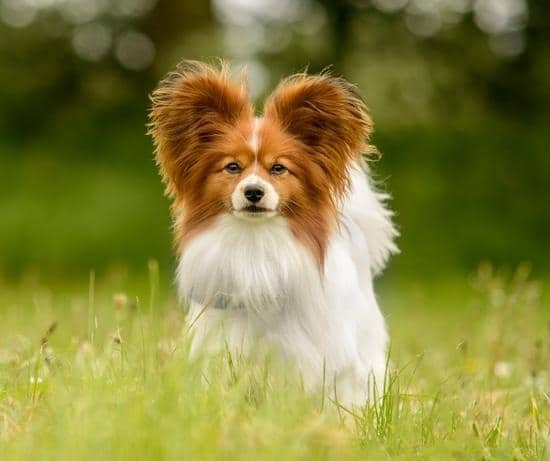
The breed’s most famous feature is its large, erect ears, which are heavily fringed with silky hair. These elegant ears resemble the open wings of a butterfly, giving the Papillon its French name. Some Papillons are born with dropped ears instead of erect ears. This variety is known as the Phalène, meaning “moth,” and is recognized by many kennel clubs as simply another ear variety of the same breed.

The Papillon’s coat is long, silky, and flowing, yet surprisingly easy to care for because it lacks the dense undercoat found in many other long-haired breeds. Feathering is especially noticeable on the ears, chest, backs of the legs, and the long, gracefully plumed tail, which is carried proudly over the back when the dog is alert.

The head is slightly rounded with a refined muzzle, dark expressive eyes, and an alert, intelligent expression that perfectly reflects the breed’s lively personality. Combined with their graceful posture and animated movements, Papillons possess an elegance that has made them favourites among royalty and dog enthusiasts for centuries.

💡 Did You Know?

Although Papillons are classified as a toy breed, they are among the most agile small dogs in the world. Many successfully compete against much larger breeds in agility, rally, and obedience competitions.

❤️ DogPage Tip

Don’t let the Papillon’s elegant appearance fool you. Beneath that beautiful silky coat is a sturdy, energetic little dog that enjoys hiking, agility, trick training, and active family life just as much as relaxing on your lap.

↑ Back to Menu


🎨 Coat, Colors and Markings

One of the Papillon’s greatest attractions is its beautiful, flowing coat. Although it appears luxurious, the Papillon’s single-layer coat is surprisingly easy to maintain compared to many other long-haired breeds. Without a dense undercoat, the silky hair is less prone to heavy matting and typically requires only regular brushing to keep it healthy and tangle-free.

The coat is straight, fine, and silky, with abundant feathering on the ears, chest, backs of the legs, and the long, plumed tail. The neck is adorned with an elegant frill, while the tail is carried gracefully over the back, creating the breed’s distinctive, aristocratic appearance. Unlike breeds that require elaborate trims, the Papillon’s natural coat is intended to be displayed without excessive sculpting.

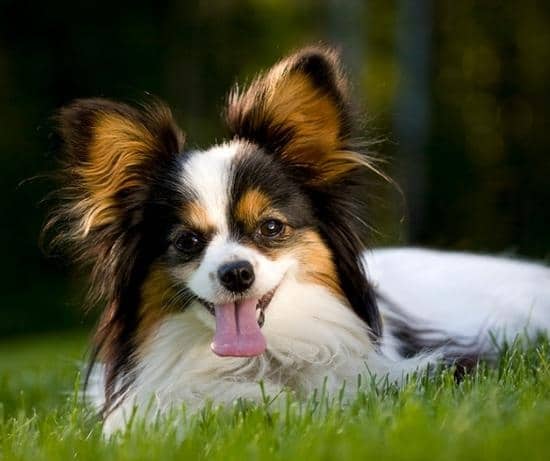
Papillons are always predominantly white with patches of one or more additional colours. Common colour combinations include white and sable, white and black, white and red, and tri-colour (white, black, and tan). The coloured markings may appear on the ears, around the eyes, and across portions of the body, while the face typically features a white blaze that enhances the breed’s alert, expressive appearance.

Coat colour often changes as puppies mature. Sable puppies, for example, may be born with darker shading that gradually lightens as the adult coat develops. Regardless of colour, the coat should always appear clean, silky, and naturally flowing.

The dropped-ear variety, known as the Phalène, has the same coat colours, markings, and body structure as the erect-eared Papillon. The only difference is the ear carriage, making the two varieties genetically the same breed in many kennel club standards.

💡 Did You Know?

The Papillon’s coat is naturally self-cleaning to a surprising degree. Dirt often brushes out once the coat dries, meaning frequent bathing is usually unnecessary unless your dog becomes especially dirty.

❤️ DogPage Tip

Regular brushing two or three times each week is usually enough to keep a Papillon’s silky coat looking beautiful. Pay particular attention to the feathering behind the ears and on the back of the legs, where small tangles are most likely to develop.

⚠️ Common Mistake to Avoid

Don’t assume every long-haired breed requires frequent clipping. The Papillon’s beautiful natural coat should usually be maintained through regular brushing rather than shaving, which can affect both appearance and coat texture.

↑ Back to Menu


Few toy breeds are as instantly recognizable as the Papillon. From their distinctive butterfly-shaped ears to their graceful, silky coat and alert expression, Papillons combine elegance with athleticism in a remarkably small package. While photographs can never fully capture their lively personality, they do showcase the features that have made this breed a favourite companion for centuries.

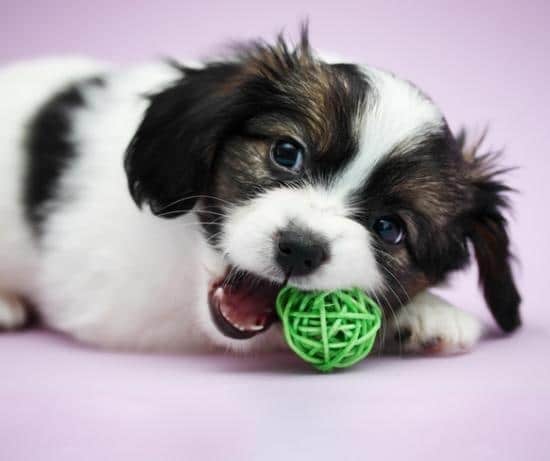
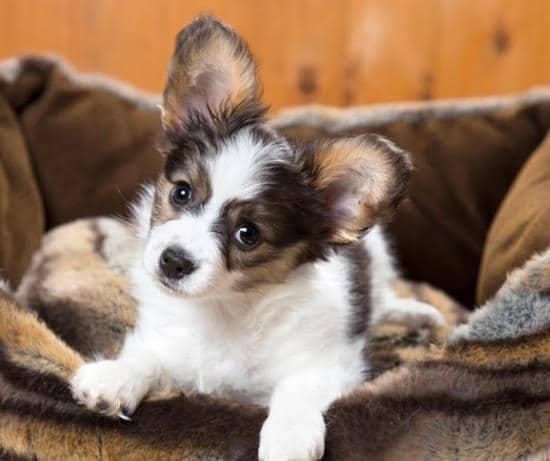
As you browse the gallery below, notice the breed’s fine-boned yet athletic build, bright intelligent eyes, abundant ear feathering, and beautifully plumed tail carried proudly over the back. You’ll also see the variety of accepted coat colours and markings, including white with sable, black, red, and tricolour patterns. Some images also feature the less common Phalène variety, whose dropped ears give the breed an equally elegant but distinctly different appearance.

Beyond their beauty, these photographs highlight the Papillon’s versatility. Whether enjoying family life, relaxing with a senior companion, exploring the outdoors, competing in agility, or simply cuddling on the sofa, Papillons are happiest when included in their family’s daily activities.

Every Papillon has its own unique personality, but the photographs below beautifully illustrate the confidence, intelligence, curiosity, and joyful spirit that define this remarkable little breed.

💡 Did You Know?

Although many people first notice the Papillon’s beautiful ears, experienced owners often say it’s the breed’s bright, expressive eyes and constantly alert expression that truly reveal its remarkable intelligence and enthusiasm for life.

↑ Back to Menu


🏃 Papillon Exercise Needs

Papillon exercise guide infographic

Despite weighing only 5 to 10 pounds, the Papillon is one of the most energetic and athletic toy breeds. Originally developed as an active companion, today’s Papillon still enjoys daily walks, interactive play, and activities that challenge both body and mind. While they don’t require hours of strenuous exercise, they do need considerably more activity than many people expect from such a small dog.

Most healthy adult Papillons thrive with 30 to 60 minutes of daily exercise, divided between walks, games, training sessions, and free play in a securely fenced yard or other safe area. They particularly enjoy games that encourage problem-solving, such as puzzle toys, hide-and-seek, and learning new tricks. Their exceptional intelligence means mental stimulation is just as important as physical exercise.

Papillons are among the most successful toy breeds in canine sports. Many excel in agility, obedience, rally, scent work, and trick competitions. These activities provide an excellent outlet for their energy while strengthening the bond between dog and owner. Even owners who don’t compete will find that teaching new skills helps keep their Papillon happy and well behaved.

Although they’re surprisingly athletic, Papillons remain a toy breed with fine bones. Exercise should be appropriate for their size, and puppies should avoid excessive jumping or repetitive high-impact activities while their joints are still developing. Short, frequent play sessions are generally better than prolonged strenuous exercise for young dogs.

On days when outdoor activities aren’t possible, indoor games, short training sessions, food puzzles, and interactive toys can provide valuable mental enrichment. A Papillon that receives sufficient exercise and stimulation is usually a relaxed, affectionate companion indoors, while an under-stimulated dog may become noisy, restless, or invent its own entertainment.

💡 Did You Know?

The Papillon regularly competes—and often wins—against much larger breeds in agility and obedience competitions. Their speed, intelligence, and eagerness to learn make them exceptional canine athletes despite their tiny size.

❤️ DogPage Recommendation

Think of your Papillon as a “big dog in a small body.” Daily walks combined with training games, puzzle toys, and interactive play will keep both their body and mind satisfied. A mentally stimulated Papillon is usually a happy, well-mannered companion.

⚠️ Common Mistake to Avoid

Don’t assume carrying your Papillon everywhere provides enough exercise. While they enjoy being close to their owners, they also need opportunities to walk, explore, sniff, play, and use their remarkable intelligence every day.

↑ Back to Menu


🎓 Training a Papillon

The Papillon is widely regarded as one of the most intelligent toy breeds in the world. Quick to learn, eager to please, and naturally curious, these remarkable little dogs excel at everything from basic obedience to advanced tricks and competitive canine sports. For many owners, training a Papillon is one of the most rewarding aspects of living with the breed.

Thanks to their sharp minds and strong desire to interact with people, Papillons often learn new commands after only a few repetitions. They respond exceptionally well to positive reinforcement using praise, treats, toys, and play. Harsh corrections are rarely necessary and can undermine the confidence that makes this breed such an enthusiastic learner.

Early socialization is equally important. Introducing your Papillon puppy to a variety of people, dogs, sounds, places, and experiences helps build confidence and encourages them to grow into a calm, well-adjusted adult. Puppy classes can be an excellent way to combine socialization with early obedience training.

Although Papillons are naturally intelligent, they can become bored if training becomes repetitive. Keep lessons short, upbeat, and varied. Five to ten minute sessions repeated throughout the day are generally far more effective than one long session. Many Papillons enjoy learning tricks, solving puzzle toys, and participating in activities such as agility, rally, scent work, and obedience.

Like many toy breeds, house training can require patience and consistency. Establishing a predictable routine, taking your puppy outside frequently, and rewarding successful potty breaks will usually produce excellent results. Crate training can also help with house training while providing your Papillon with a safe, comfortable place to relax.

💡 Did You Know?

According to canine intelligence researcher Dr. Stanley Coren, the Papillon consistently ranks among the world’s most intelligent dog breeds. Many are capable of learning new commands in fewer than five repetitions and obeying familiar commands with remarkable reliability.

❤️ DogPage Recommendation

Keep training fun. Papillons thrive on praise, games, and learning new challenges. Short, positive training sessions throughout the day will build confidence, strengthen your bond, and help prevent boredom-related behaviours.

⚠️ Common Mistake to Avoid

Don’t stop training once your Papillon learns the basics. These highly intelligent little dogs enjoy lifelong learning. Teaching new tricks, introducing puzzle toys, and participating in dog sports help keep their active minds engaged while reinforcing good manners.

📖 Learn More: Read our Complete Small Dog Training Guide →

↑ Back to Menu


✂️ Papillon Grooming Guide

Papillon grooming guide infographic

Despite their elegant appearance, Papillons are surprisingly easy to groom. Unlike many long-haired breeds, they have a fine, silky single coat without a dense undercoat. This means they shed moderately throughout the year but are far less prone to matting than many people expect. With regular brushing and basic routine care, most owners find Papillon grooming both simple and enjoyable.

Brushing your Papillon two or three times each week is usually enough to remove loose hair, prevent small tangles, and keep the coat looking healthy and shiny. Pay particular attention to the feathering behind the ears, under the front legs, around the tail, and on the backs of the hind legs, where knots are most likely to develop.

Papillons only need occasional baths, typically every four to eight weeks or whenever they become noticeably dirty. A gentle dog shampoo followed by thorough drying helps preserve the silky texture of their coat. Because dirt often brushes out once the coat dries, frequent bathing is rarely necessary.

Nail trimming is an important part of routine care. Active Papillons may naturally wear their nails down during walks, but most require trimming every three to four weeks. Long nails can affect posture, alter movement, and become uncomfortable over time.

Dental care is especially important for this tiny breed. Small dogs are more prone to dental disease than larger breeds, so daily tooth brushing is ideal. Regular dental chews, veterinary examinations, and professional cleanings when recommended will help maintain healthy teeth and gums throughout your Papillon’s life.

Don’t forget routine ear and eye care. Check the ears weekly for wax buildup, redness, or unpleasant odours, and gently wipe away any discharge around the eyes with a soft, damp cloth. Their beautiful ear feathering should also be brushed regularly to prevent small tangles.

💡 Did You Know?

Although the Papillon has a long, flowing coat, it does not require routine clipping like many other long-haired breeds. Regular brushing is usually all that’s needed to keep the coat looking naturally beautiful.

❤️ DogPage Recommendation

Begin grooming routines while your Papillon is still a puppy. Regular brushing, nail trimming, tooth brushing, and gentle handling from an early age help create a confident adult dog that enjoys being groomed rather than fearing it.

⚠️ Common Mistake to Avoid

Don’t focus only on brushing the coat. Dental care is one of the most important aspects of Papillon grooming. Daily tooth brushing and regular veterinary dental care can help prevent painful dental disease, one of the most common health problems affecting small breeds.

📖 Learn More: Read our Complete Small Dog Grooming Guide →/p>

↑ Back to Menu


🩺 Papillon Health Concerns

Papillon health guide infographic

The Papillon is generally considered one of the healthiest toy dog breeds and often enjoys a lifespan of 14 to 16 years or longer with excellent care. Responsible breeding, a balanced diet, regular exercise, routine veterinary care, and maintaining a healthy weight all contribute to the breed’s impressive longevity. While Papillons are relatively robust for their size, they are predisposed to several inherited and age-related health conditions that prospective owners should understand.

🦴 Patellar Luxation

One of the most common orthopedic conditions affecting Papillons is patellar luxation, where the kneecap slips out of its normal position. Mild cases may cause an occasional skipping gait, while more severe cases can result in pain and lameness. Responsible breeders screen breeding dogs for this condition, and affected dogs should not be used for breeding.

👁 Progressive Retinal Atrophy (PRA)

PRA is an inherited eye disease that gradually causes vision loss and may eventually lead to blindness. DNA testing is available, allowing responsible breeders to reduce the risk of producing affected puppies through careful breeding practices.

🦷 Dental Disease

Like many toy breeds, Papillons are prone to dental disease because of their small mouths and closely spaced teeth. Daily tooth brushing, regular dental checkups, and professional cleanings when recommended can significantly reduce the risk of painful gum disease and tooth loss.

❤️ Heart Disease

As Papillons age, some may develop heart conditions such as mitral valve disease. Regular veterinary examinations allow heart murmurs and other abnormalities to be detected early, helping many dogs maintain an excellent quality of life with appropriate monitoring and treatment.

🧠 Open Fontanel (Molera)

Some Papillon puppies are born with a small soft spot on the top of the skull known as an open fontanel, or molera. In many dogs this closes as they mature, although some retain a small opening throughout life without developing problems. Puppies with large or persistent openings should be handled carefully and monitored by a veterinarian.

⚖️ Obesity

Although naturally active, Papillons can become overweight if overfed or under-exercised. Because even small weight gains place additional strain on joints and the cardiovascular system, maintaining a healthy body condition is one of the most effective ways to support lifelong health.

💡 Did You Know?

Many Papillons remain active well into their teenage years. With proper nutrition, regular veterinary care, routine dental care, and daily exercise, it’s not unusual for these energetic little dogs to enjoy long, healthy lives.

❤️ DogPage Recommendation

Choose your puppy from a breeder who performs recommended health testing on their breeding dogs, including orthopedic and eye examinations where appropriate. If you’re adopting, ask for veterinary records and discuss any known medical history with the rescue organization.

⚠️ Common Mistake to Avoid

Don’t skip annual veterinary examinations simply because your Papillon appears healthy. Regular wellness visits often detect developing dental disease, heart murmurs, weight changes, or other health concerns long before obvious symptoms appear.

📖 Learn More: Read our Complete Small Dog Health Guide → (Coming Soon)

↑ Back to Menu


🥣 Feeding and Nutrition

Proper nutrition plays a vital role in keeping your Papillon healthy, energetic, and active throughout its long life. Although this elegant toy breed requires only small portions of food, those meals should provide complete and balanced nutrition appropriate for your dog’s age, activity level, and overall health. Feeding a high-quality diet and maintaining a healthy body weight are among the most important things you can do to support your Papillon’s well-being.

Papillons have relatively fast metabolisms and generally thrive on premium commercial dog foods formulated for small breeds. These diets typically contain appropriately sized kibble, balanced nutrients, and calorie levels suited to smaller dogs. Fresh water should always be available, and treats should be offered in moderation to avoid unwanted weight gain.

Puppies require more frequent meals than adults to support their rapid growth and help maintain stable blood sugar levels. Most breeders and veterinarians recommend feeding Papillon puppies three to four small meals each day. As they mature, most adult Papillons do well on two measured meals daily.

Because Papillons are naturally active, maintaining a lean body condition is especially important. Even a small amount of excess weight can place unnecessary strain on the joints and increase the risk of developing health problems later in life. Regular exercise combined with carefully measured portions will help keep your Papillon fit and healthy.

Many owners enjoy offering healthy treats such as small pieces of cooked lean meat, carrots, blueberries, or commercially prepared training treats. Regardless of the type of treat you choose, they should make up no more than about 10% of your dog’s daily calorie intake.

Foods to Avoid

Some human foods are toxic to dogs and should never be fed to your Papillon. These include chocolate, grapes, raisins, onions, garlic, macadamia nuts, foods containing xylitol (birch sugar), excessive alcohol, and cooked bones. If you believe your dog has eaten something poisonous, contact your veterinarian or an emergency animal poison service immediately.

💡 Did You Know?

Because Papillons are such intelligent dogs, many enjoy working for part of their daily food allowance. Food puzzle toys and slow feeders provide valuable mental stimulation while helping prevent boredom.

❤️ DogPage Recommendation

Feed measured meals rather than leaving food available all day. Monitoring your Papillon’s weight, adjusting portions when necessary, and choosing a high-quality small-breed diet will help support a long, healthy, and active life.

⚠️ Common Mistake to Avoid

Don’t let your Papillon’s small size tempt you to overfeed treats or table scraps. Even a few extra calories each day can quickly lead to weight gain in a toy breed, increasing the risk of joint problems and other health concerns.

📖 Learn More: Read our Complete Small Dog Nutrition Guide →

↑ Back to Menu


🐶 Papillon Puppy Care

Papillon puppy care guide infographic

Bringing home a Papillon puppy is an exciting experience, but those first few months play a crucial role in shaping your dog’s health, confidence, and behavior for years to come. Papillons are intelligent, curious, and eager to learn, making puppyhood the perfect time to establish good habits through positive training, gentle socialization, and a predictable daily routine.

Begin socializing your puppy as soon as your veterinarian recommends it. Introduce them to a wide variety of people, friendly vaccinated dogs, household sounds, different surfaces, and new environments. Positive early experiences help Papillons grow into confident, well-adjusted adults and reduce the likelihood of fear-based behaviors later in life.

House training should begin immediately. Take your puppy outside frequently, especially after waking, eating, drinking, playing, and napping. Praise and reward successful potty breaks, and establish a consistent routine. Crate training can also provide a safe place for your puppy while making house training easier and helping prevent destructive chewing.

Young Papillons have plenty of energy but should not be over-exercised while their bones and joints are still developing. Several short play sessions and gentle walks each day are far better than long periods of strenuous activity. Because of their small size, care should also be taken to prevent injuries from jumping off furniture or being accidentally stepped on.

Regular grooming should become part of your puppy’s routine from an early age. Gentle brushing, tooth brushing, nail trimming, ear checks, and handling their paws will help your Papillon become comfortable with grooming and veterinary examinations throughout life.

💡 Did You Know?

Papillons are among the fastest-learning toy breeds. Many puppies begin mastering basic obedience commands at just eight to ten weeks of age when training is kept short, fun, and reward-based.

❤️ DogPage Recommendation

Focus on building confidence rather than expecting perfection. Positive experiences during your Papillon’s first year will lay the foundation for a happy, well-behaved companion that enjoys learning and spending time with your family.

⚠️ Common Mistake to Avoid

Don’t delay training because your Papillon is “just a puppy.” Early socialization, gentle obedience training, and establishing household routines are far easier than correcting unwanted behaviors later in life.

📖 Learn More: Read our Complete Small Dog Puppy Care Guide →

↑ Back to Menu


🏡 Are Papillons Good Apartment Dogs?

The Papillon is one of the best small dog breeds for apartment and condominium living. Their compact size, adaptable nature, and moderate exercise requirements make them well suited to smaller homes, provided their physical and mental needs are met. While they don’t require a large yard, they do need daily walks, interactive play, and plenty of companionship to remain happy and well behaved.

Unlike some toy breeds that are content with minimal activity, Papillons are energetic and highly intelligent. Apartment owners should plan for at least one or two daily walks, along with indoor games, puzzle toys, and short training sessions to keep their dog’s mind engaged. A mentally stimulated Papillon is typically calm and relaxed indoors.

One consideration for apartment living is the breed’s alert nature. Papillons make excellent little watchdogs and will often bark to announce visitors, hallway noises, or unusual sounds. Fortunately, their intelligence makes them highly trainable, and with early socialization and consistent positive reinforcement, most learn when barking is appropriate and when it’s time to settle quietly.

Papillons are happiest when they spend plenty of time with their family. They generally do not enjoy being left alone for long periods every day. Owners who work extended hours should consider arranging visits from a trusted friend, family member, or dog walker to provide companionship and a mid-day break.

Because of their small size, Papillons adapt well to elevators, stairs, and compact living spaces. Many thrive in urban environments as long as they receive opportunities to explore safely, meet new people, and experience a variety of sights and sounds.

💡 Did You Know?

Many Papillons living in apartments successfully compete in agility, obedience, and rally sports. Their living space matters far less than the amount of daily interaction, exercise, and mental stimulation they receive.

❤️ DogPage Recommendation

If you live in an apartment and enjoy spending time training, walking, and playing with your dog, the Papillon is one of the finest toy breeds you can choose. Their adaptability, intelligence, and manageable size make them exceptional companions for city living.

⚠️ Common Mistake to Avoid

Don’t assume that living in an apartment means your Papillon needs less exercise. Even in a small home, daily walks, play sessions, and mental enrichment are essential to prevent boredom and excessive barking.

📖 Learn More: Read our guide to the Best Small Dogs for Apartments →

↑ Back to Menu


👨‍👩‍👧‍👦 Are Papillons Good Family Dogs?

The Papillon can make a wonderful family dog for the right household. Affectionate, intelligent, and eager to be involved in family activities, these cheerful little companions form strong bonds with their people and enjoy participating in everyday life. Their playful nature, impressive trainability, and adaptable personality make them excellent companions for families who understand the needs of a small toy breed.

Unlike many larger sporting breeds, Papillons don’t require a large yard to be happy. They are equally content playing indoors, exploring the backyard, joining family walks, or learning new tricks in the living room. Their intelligence means they thrive on interaction and enjoy games that challenge both their minds and bodies.

Families with older, respectful children often find the Papillon to be an exceptional companion. They generally enjoy playing games, learning tricks, and accompanying children on supervised adventures. However, because Papillons weigh only 5 to 10 pounds and have fine bone structure, they can be accidentally injured by rough handling or being dropped. For this reason, households with toddlers or very young children should always supervise interactions carefully.

Papillons usually get along well with other dogs and can often live peacefully with cats when introduced properly. Early socialization helps them develop into confident, friendly adults that are comfortable around visitors, children, and other animals.

Above all, Papillons thrive in families where they are treated as true members of the household. They enjoy spending time with their people and are happiest when included in daily routines rather than being left alone for long periods.

💡 Did You Know?

Many Papillons love learning games that the whole family can enjoy together. Teaching tricks, hide-and-seek, and simple agility obstacles provide excellent mental stimulation while strengthening the bond between dog and family.

❤️ DogPage Recommendation

The Papillon is an excellent family companion for homes with older, gentle children who understand how to handle a small dog respectfully. Their affectionate personality, intelligence, and playful spirit make them delightful companions for families who enjoy spending time together.

⚠️ Common Mistake to Avoid

Don’t assume that because a Papillon is small, it’s suitable for rough play with young children. Teach children to sit while holding the puppy, avoid chasing games indoors, and always supervise interactions to help prevent accidental injuries.

📖 Learn More: Read our guide to the Best Small Dogs for Families →

↑ Back to Menu


👴 Are Papillons Good With Seniors?

The Papillon is one of the best small dog breeds for active seniors. Affectionate, intelligent, and easy to live with, these cheerful little companions enjoy spending time with their owners without requiring the physical strength needed to manage a larger dog. Their small size, adaptability, and eagerness to please make them ideal companions for many retirees and older adults.

Most healthy Papillons require only moderate daily exercise, such as one or two leisurely walks combined with indoor play and short training sessions. Because they are exceptionally intelligent, they also benefit from puzzle toys, trick training, and interactive games that keep their minds active as well as their bodies.

Papillons thrive on companionship and form remarkably close bonds with their owners. Many happily spend the day following their favourite person from room to room before settling beside them to relax. Their affectionate nature makes them wonderful emotional companions for seniors who enjoy having a dog closely involved in daily life.

Although the breed is energetic, Papillons are highly adaptable. They are equally comfortable living in apartments, condominiums, retirement communities, or detached homes, provided they receive regular exercise and plenty of interaction. Their manageable grooming needs and relatively clean, silky coat are additional advantages for many older owners.

Because Papillons are delicate toy dogs, seniors should take care to avoid falls or accidental injuries when carrying them. Using ramps to access furniture, preventing high jumps, and maintaining a clutter-free home can help protect both dog and owner.

💡 Did You Know?

Many Papillons remain playful, active, and eager to learn well into their teenage years. Their long lifespan allows them to provide companionship for many years when given excellent care.

❤️ DogPage Recommendation

The Papillon is an outstanding choice for active seniors looking for a small companion that enjoys both quiet time at home and regular daily adventures. Their intelligence, affectionate personality, and manageable size make them one of our favourite breeds for older adults.

⚠️ Common Mistake to Avoid

Don’t assume that because the Papillon is small, it doesn’t need regular activity. Daily walks, gentle play, and mental stimulation are essential for maintaining both physical health and emotional well-being throughout the dog’s life.

📖 Learn More: Read our guide to the Best Small Dogs for Seniors →

↑ Back to Menu


❤️ Papillon Companionship Needs

The Papillon is a true companion dog that thrives on close relationships with its family. Bred for centuries to be a devoted household companion, this intelligent little breed loves being involved in everyday life. Whether you’re working from home, enjoying a walk, watching television, or simply moving from room to room, your Papillon will usually want to be right beside you.

Unlike more independent breeds, Papillons generally prefer companionship over solitude. They form deep emotional bonds with their owners and are happiest when included in family activities. Many Papillons become their owner’s constant shadow, happily following them throughout the house and eagerly joining in whatever is happening.

Most Papillons can tolerate being left alone for a few hours, particularly if they’ve been gradually taught that alone time is normal. However, regularly spending an entire workday alone may lead to boredom, loneliness, excessive barking, or destructive behaviours. If your schedule requires long absences, arranging for a family member, trusted neighbour, pet sitter, or dog walker to visit during the day can make a significant difference.

Because they are exceptionally intelligent, Papillons also require mental companionship. Interactive play, obedience training, puzzle toys, trick training, and simply spending quality time together all help satisfy their emotional and intellectual needs. A Papillon that receives plenty of attention is typically a happy, confident, and well-adjusted companion.

For owners seeking a dog that enjoys constant interaction and becomes a true member of the family, few breeds can match the Papillon’s loyalty, affection, and enthusiasm for sharing everyday life.

💡 Did You Know?

Many Papillon owners joke that they never go anywhere alone again. These devoted little dogs often follow their favourite person from room to room simply because they enjoy being together.

❤️ DogPage Recommendation

If you’re looking for a dog that forms a close bond and genuinely enjoys spending time with you every day, the Papillon is one of the finest companion breeds available. They flourish in homes where they’re treated as an active member of the family rather than being left alone for long periods.

⚠️ Common Mistake to Avoid

Don’t assume that because a Papillon is small, it will be content entertaining itself all day. This breed craves interaction, affection, and mental stimulation. Regular companionship is just as important to its well-being as food, exercise, and veterinary care.

📖 Learn More: Read our Complete Small Dog Care Guide →

↑ Back to Menu


🏠 Living With a Papillon

Living with a Papillon is like sharing your home with a tiny, enthusiastic best friend. These bright little dogs are deeply involved in family life and genuinely enjoy participating in almost everything their owners do. Whether you’re working at your desk, gardening, watching television, or heading out for a walk, your Papillon will likely want to come along.

Mornings often begin with an enthusiastic greeting and plenty of tail wagging. Papillons are naturally curious and eager to start the day, enjoying a walk, breakfast, and a little playtime before settling beside you while you work or relax. Throughout the day, they’ll happily alternate between energetic bursts of activity and quiet periods curled up near their favourite person.

Although affectionate lap dogs, Papillons are far from lazy. They enjoy learning new tricks, exploring new places, solving food puzzles, and playing interactive games. Many owners are surprised by just how athletic these little dogs are, with some happily tackling agility courses, hiking trails, or long walks far beyond what their tiny size would suggest.

Because Papillons are naturally alert, they may announce visitors or unfamiliar sounds with a bark. Fortunately, their exceptional intelligence means they usually respond well to positive training, allowing owners to encourage appropriate watchdog behaviour without excessive barking.

One of the breed’s greatest joys is simply being close to the people they love. Papillons often follow their owners from room to room, quietly supervising household activities before settling nearby for a nap. They are happiest when included in family life and generally do not enjoy being left alone for extended periods.

💡 Did You Know?

Many Papillon owners describe their dogs as having the confidence of a much larger breed. Despite their tiny size, they often approach life with curiosity, courage, and an eagerness to explore every new adventure.

❤️ DogPage Recommendation

If you’re looking for a companion that combines intelligence, affection, athletic ability, and a wonderful sense of fun, the Papillon is difficult to beat. They fit beautifully into active households where they can participate in everyday life as a true member of the family.

⚠️ Common Mistake to Avoid

Don’t expect your Papillon to be content spending every day as a lap dog. While they love to cuddle, they also need opportunities to explore, learn, play, and interact with their family. Keeping both their mind and body active is the secret to a happy Papillon.

↑ Back to Menu


🤔 Is a Papillon the Right Dog for You?

The Papillon is an exceptional companion for the right owner. Intelligent, affectionate, and remarkably adaptable, this lively toy breed offers the perfect combination of elegance and athleticism. However, like every breed, the Papillon thrives in some homes more than others. Taking an honest look at your lifestyle, available time, and expectations will help ensure a happy match for both you and your future companion.

If you enjoy spending time with your dog, teaching new tricks, going for daily walks, and including your pet in everyday activities, the Papillon is likely to reward you with years of unwavering loyalty and companionship. Their eagerness to learn and natural intelligence make them one of the most enjoyable toy breeds to train, while their manageable size allows them to adapt well to apartments, condominiums, and larger homes alike.

On the other hand, the Papillon may not be the ideal choice for households where the dog will be left alone for long periods every day or where rough handling by very young children is likely. Although sturdy for their size, they remain a delicate toy breed that requires gentle handling, regular companionship, and opportunities for both physical and mental exercise.

🏡 A Papillon May Be Perfect for You If You…

  • ✔ Want one of the smartest toy dog breeds.
  • ✔ Enjoy teaching tricks, obedience, or agility.
  • ✔ Live in an apartment, condo, or house.
  • ✔ Can provide daily companionship and interaction.
  • ✔ Prefer a moderately active dog that’s small enough to travel easily.
  • ✔ Appreciate a beautiful, silky coat that requires only moderate grooming.

⚠️ You May Want to Consider Another Breed If You…

  • ✘ Are away from home for long hours most days.
  • ✘ Want a completely independent dog.
  • ✘ Have very young children who may accidentally handle a small dog roughly.
  • ✘ Prefer a dog that requires very little mental stimulation or training.
  • ✘ Don’t have time for regular walks, play, and interaction.

❤️ DogPage Recommendation

The Papillon is one of the finest all-around toy breeds available today. Their intelligence, affectionate personality, adaptability, and impressive athletic ability make them an outstanding choice for active seniors, families with respectful children, apartment dwellers, and many first-time dog owners. If you’re looking for a small dog with a huge personality and an eagerness to share every part of your life, the Papillon deserves a place at the very top of your list.

📖 Learn More: Best Small Dogs for First-Time Owners →

↑ Back to Menu


🐾 Papillon Adoption

If you’ve decided that a Papillon is the right breed for your lifestyle, consider adoption before purchasing a puppy. While Papillons are less commonly found in shelters than some other small breeds, many wonderful dogs of all ages become available through breed-specific rescue organizations, local animal shelters, and all-breed rescues every year. Adopting a dog not only changes that dog’s life—it can also be one of the most rewarding experiences for a new owner.

Adult Papillons often make exceptional companions because their personalities, energy levels, and temperaments are already well established. Rescue staff and foster families can usually tell you whether a dog enjoys children, gets along with other pets, prefers an active lifestyle, or would be happiest in a quieter home. This makes it easier to find a companion whose personality matches your own.

Many rescue organizations also ensure that dogs receive veterinary examinations, vaccinations, microchipping, parasite treatment, and spaying or neutering before adoption. Some dogs have even received basic obedience training or have experience living in a family home, making the transition easier for both dog and owner.

If you’re looking for a Papillon puppy, adoption may require patience. Puppies are adopted quickly, but older puppies, adults, and senior Papillons can make equally wonderful companions and often settle into their new homes surprisingly quickly.

💡 Did You Know?

Adult dogs are often overlooked simply because many people want puppies. In reality, an adult Papillon may already be house trained, know basic commands, and have a well-established personality, making them an excellent choice for many first-time owners.

❤️ DogPage Recommendation

Keep an open mind about age. Whether you adopt a playful puppy, a young adult, or a gentle senior, the right Papillon can become a devoted companion for many years. Focus on finding the dog whose temperament and lifestyle best match your own.

⚠️ Common Mistake to Avoid

Don’t rush the adoption process simply because you’ve found an available Papillon. Spend time learning about the dog’s personality, medical history, exercise needs, and previous living situation to ensure it’s a good match for your family and lifestyle.

📖 Looking for a Papillon? Check local shelters, breed-specific rescue organizations, and reputable adoption groups in your area. Many wonderful Papillons and Papillon mixes are waiting for loving homes.

↑ Back to Menu


🏆 Choosing a Responsible Papillon Breeder

If you decide to purchase a Papillon puppy, choosing a responsible breeder is one of the most important decisions you’ll make. A reputable breeder is committed to improving the breed by carefully selecting healthy, well-tempered breeding dogs and raising puppies in a clean, loving home environment. They will happily answer your questions, provide health documentation, and remain a valuable source of advice throughout your dog’s life.

Responsible breeders invest considerable time and resources into health testing, proper socialization, and matching each puppy with the right family. They are genuinely interested in where their puppies go and will often ask you as many questions as you ask them. Be prepared to discuss your lifestyle, previous dog ownership experience, work schedule, and expectations.

Whenever possible, visit the breeder in person. Puppies should be raised inside the home, where they’re exposed to normal household sights, sounds, and people. The puppies and their mother should appear healthy, clean, confident, and well cared for. Avoid purchasing puppies from pet stores, online brokers, or anyone unwilling to let you see where the puppies are raised.

Health Testing Matters

Ask what health testing has been performed on the puppy’s parents. Responsible Papillon breeders commonly screen for inherited conditions such as patellar luxation and Progressive Retinal Atrophy (PRA), and many also have breeding dogs examined by a veterinary ophthalmologist and monitored for heart health. Don’t hesitate to ask for documentation of relevant health clearances.

Questions to Ask a Breeder

  • ✔ Can I meet the puppy’s mother?
  • ✔ What health testing has been completed on the parents?
  • ✔ Has the puppy been examined by a veterinarian?
  • ✔ What vaccinations and deworming has the puppy received?
  • ✔ How has the puppy been socialized?
  • ✔ What food is the puppy currently eating?
  • ✔ Do you provide a written health guarantee and contract?
  • ✔ Will you take the dog back if circumstances change?

💡 Did You Know?

Many of the best breeders have waiting lists. While waiting for the right puppy requires patience, it greatly increases your chances of bringing home a healthy, well-socialized companion.

❤️ DogPage Recommendation

Choose your breeder based on health, temperament, ethics, and transparency—not simply on price or availability. A well-bred Papillon is far more likely to enjoy a long, healthy life and become the confident companion you hope for.

⚠️ Common Mistake to Avoid

Don’t be tempted by unusually low prices or puppies available immediately with few questions asked. Responsible breeders carefully plan each litter, perform recommended health testing, and are committed to every puppy they produce for its entire lifetime.

📖 Learn More: How to Choose a Responsible Dog Breeder →

↑ Back to Menu


❓ Frequently Asked Questions About Papillons

Are Papillons good family dogs?

Yes. Papillons are affectionate, playful, and highly intelligent companions that usually do very well with families. They are generally best suited to homes with older, respectful children who understand how to handle a small dog gently.

Are Papillons easy to train?

Absolutely. Papillons are consistently ranked among the world’s most intelligent dog breeds. They learn quickly and respond exceptionally well to positive reinforcement, making them an excellent choice for first-time owners and experienced trainers alike.

Do Papillons bark a lot?

Papillons are naturally alert and often bark to announce visitors or unfamiliar sounds. Early training and socialization usually help prevent excessive barking while allowing them to remain excellent little watchdogs.

How much exercise does a Papillon need?

Most healthy adult Papillons benefit from about 30 to 60 minutes of daily exercise, along with interactive play, puzzle toys, and short training sessions to provide important mental stimulation.

Do Papillons shed?

Yes, but only moderately. Their silky single coat sheds far less than many double-coated breeds and is relatively easy to maintain with brushing two or three times each week.

Are Papillons good apartment dogs?

Yes. Their compact size and adaptable personality make them excellent apartment companions, provided they receive daily exercise, mental enrichment, and companionship.

How long do Papillons live?

Papillons are among the longest-lived toy breeds, typically enjoying a lifespan of 14 to 16 years, with many living even longer when provided with excellent nutrition, regular veterinary care, exercise, and preventive healthcare.

Are Papillons good with other pets?

Generally, yes. Papillons usually get along well with other dogs and can often live peacefully with cats when introduced gradually and properly socialized from an early age.

What health problems are common in Papillons?

Although generally a healthy breed, Papillons can be predisposed to conditions such as patellar luxation, progressive retinal atrophy (PRA), dental disease, and age-related heart disease. Choosing a responsibly bred puppy and maintaining regular veterinary care help reduce many health risks.

Is a Papillon a good first dog?

For many people, yes. Their intelligence, affectionate nature, manageable size, and eagerness to learn make Papillons one of the best toy breeds for first-time owners who are prepared to provide regular companionship, training, and mental stimulation.

↑ Back to Menu


📚 Continue Exploring DogPage.us

Whether you’re still deciding if a Papillon is the right breed or you’ve already fallen in love with these remarkable little dogs, DogPage.us offers a growing collection of breed guides and practical resources to help you become a confident, responsible dog owner. Continue exploring the articles below to compare breeds, learn about training and care, and find the perfect canine companion for your lifestyle.

❤️ DogPage Tip

Every dog is an individual, but understanding a breed’s typical temperament, exercise needs, grooming requirements, and health considerations before bringing one home is one of the best ways to build a happy, lifelong relationship. Continue exploring DogPage.us to make informed decisions and become the best dog owner you can be.

↑ Back to Menu


🔗 Trusted Papillon and Dog Care Resources

At DogPage.us, we’re committed to providing practical, evidence-based information to help prospective and current dog owners make informed decisions. While our breed guides answer many common questions, we also encourage readers to consult veterinarians, responsible breeders, national breed organizations, and established canine authorities when making decisions about adopting, purchasing, training, or caring for a Papillon.

🦋 Papillon Breed Information

  • American Kennel Club — Papillon
    Papillon breed characteristics, history, temperament, care needs, and the official American breed overview.
    Visit the AKC Papillon Breed Page
  • Canadian Kennel Club — Papillon
    Canadian breed information covering the Papillon’s temperament, appearance, trainability, and suitability as a companion.
    Visit the CKC Papillon Breed Page
  • The Royal Kennel Club — Papillon
    Breed information, characteristics, exercise needs, grooming, health, and information about the Papillon and Phalène varieties.
    Visit the Royal Kennel Club Papillon Page
  • The Royal Kennel Club — Papillon Breed Standard
    The official UK breed standard describing the Papillon’s ideal appearance, temperament, movement, coat, and colours.
    Read the Papillon Breed Standard

🩺 Veterinary Health and Responsible Ownership

  • American Veterinary Medical Association
    Veterinary guidance on preventive care, responsible pet ownership, medications, safety, and lifelong wellness.
    Explore AVMA Pet Care Resources
  • American Animal Hospital Association
    Pet-owner resources covering veterinary care, preventive health, nutrition, dental care, and choosing an accredited animal hospital.
    Explore AAHA Pet Owner Resources
  • Fear Free Happy Homes
    Expert-reviewed advice on reducing fear, anxiety, and stress during training, grooming, travel, and veterinary visits.
    Visit Fear Free Happy Homes

❤️ Our Philosophy

Every Papillon deserves a safe, loving, lifelong home where its physical, emotional, and social needs are understood. Choosing the right breed, working with a responsible breeder or reputable rescue, providing positive training, proper nutrition, preventive veterinary care, and plenty of companionship will help your Papillon enjoy a long, happy, and healthy life.

Our goal at DogPage.us is simple: to help dog lovers make informed, compassionate decisions that strengthen the bond between people and their dogs.

↑ Back to Menu


Back To Top