
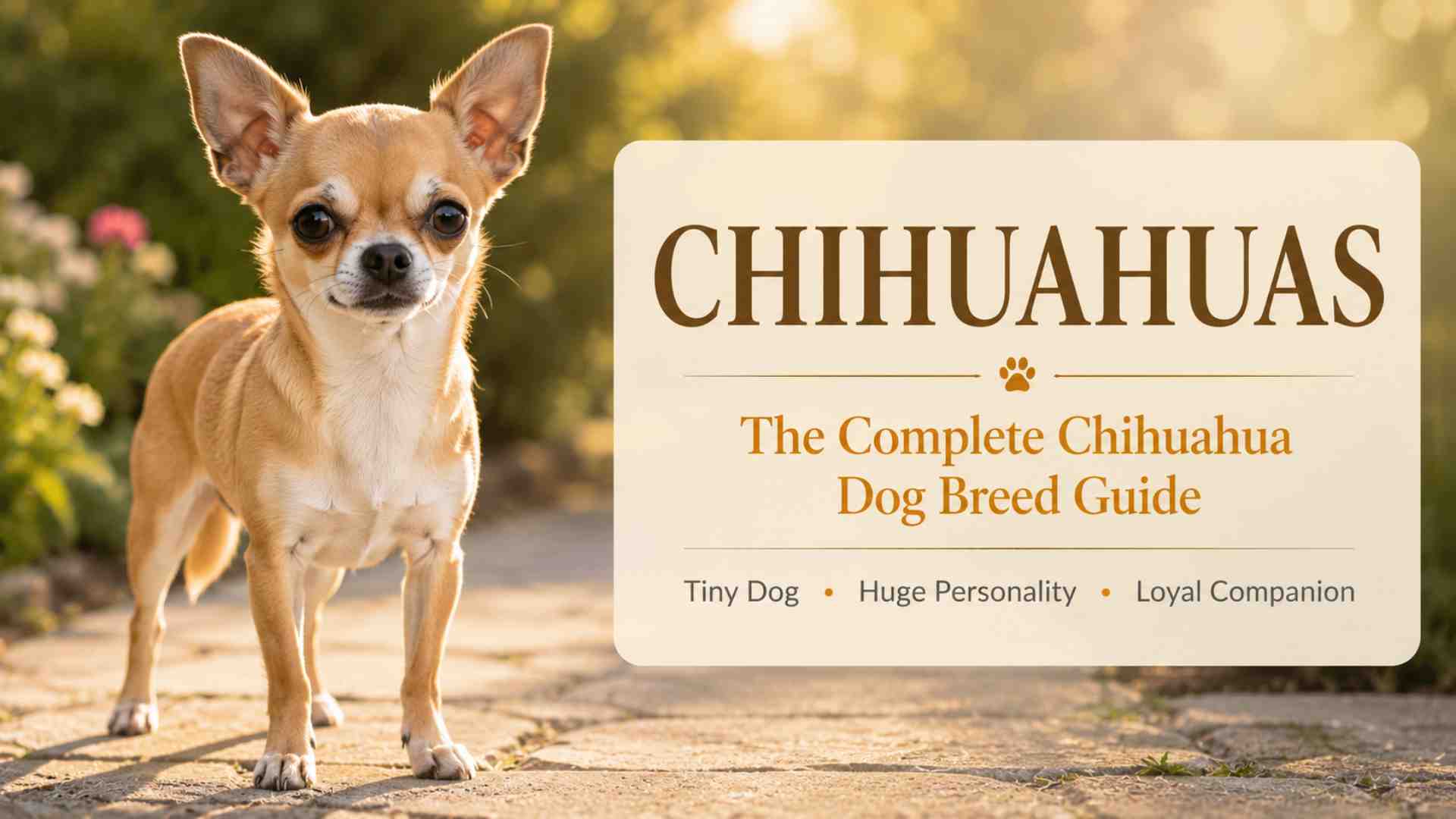
Small dog. Enormous personality. Zero awareness of being pocket-sized.
Chihuahuas may be the tiniest dogs in the canine kingdom, but nobody remembered to tell them that. These bright, loyal, expressive little dogs have the confidence of a Great Dane, the alertness of a security system, and the emotional attachment style of a very tiny best friend who would prefer you never leave the room again.
Whether you are considering a Chihuahua puppy, adopting an adult Chihuahua, or simply trying to understand the spicy little roommate already ruling your sofa, this guide will help you learn what makes the Chihuahua such a beloved — and occasionally bossy — companion.
 Chihuahua Quick Breed Snapshot
- Breed Group: Toy Group
- Height: 5 to 8 inches
- Weight: Usually 2 to 6 pounds
- Life Expectancy: 14 to 18 years
- Energy Level: Moderate
- Shedding: Low to moderate
- Apartment Friendly: Excellent
- Good for Seniors: Often yes
- Good with Children: Sometimes, with supervision
- Best For: Loving owners who want a small, loyal, alert companion dog
About Chihuahuas
 Chihuahuas are tiny companion dogs known for their loyalty, alert nature, expressive faces, and larger-than-life personalities. They are one of the smallest dog breeds in the world, but they often behave as though they are managing an entire household staff.
Originating from Mexico, the Chihuahua has become one of the most recognizable small dog breeds on the planet. Their compact size, long lifespan, and strong attachment to their people make them especially popular with apartment dwellers, seniors, and anyone looking for a portable companion with a bold little spark.
But do not mistake “small” for “simple.” Chihuahuas are intelligent, sensitive dogs who need structure, socialization, gentle handling, and consistent boundaries. Without those, a Chihuahua can quickly transform from charming lap companion into a six-pound household monarch with strong opinions about visitors, doorbells, squirrels, and your right to personal space.
If you are comparing tiny companion breeds, you may also enjoy our guide to small dog breeds and our growing collection of small dog lifestyle guides.
Chihuahua Personality and Temperament
 Chihuahuas are loyal, alert, affectionate companion dogs that often form extremely strong bonds with one or two favorite people. They are loving, expressive, and full of character, but they can also be wary of strangers and quick to sound the alarm.
In practical terms, a Chihuahua is not just a dog. A Chihuahua is a tiny roommate, emotional support shadow, doorbell inspector, lap warmer, crumb detective, and personal security consultant rolled into one very small package.
Many Chihuahuas are deeply devoted to their people. They often want to be near their favorite human as much as possible — on the sofa, under the blanket, beside the desk, in the kitchen, and ideally involved in every private conversation. This intense loyalty is one of the breed’s most endearing qualities.
However, that same loyalty can sometimes become possessiveness if not managed kindly and consistently. A Chihuahua who is allowed to guard laps, snap at visitors, or make all the household rules may begin to believe they are the tiny mayor of everything.
A well-raised Chihuahua is usually:
- Affectionate with trusted people
- Bright and observant
- Alert and vocal
- Playful in short bursts
- Often confident beyond their size
- Deeply bonded to their owner
The key is early socialization, positive training, and not letting their size fool you into skipping manners. Chihuahuas may be small enough to scoop up, but they still benefit from being treated like real dogs with real brains, real feelings, and real behavioral needs.
Chihuahua Size and Appearance
Chihuahuas are very small dogs, usually weighing between 2 and 6 pounds, with a height of about 5 to 8 inches. Their petite size makes them easy to carry, easy to accommodate in small homes, and easy to accidentally underestimate.
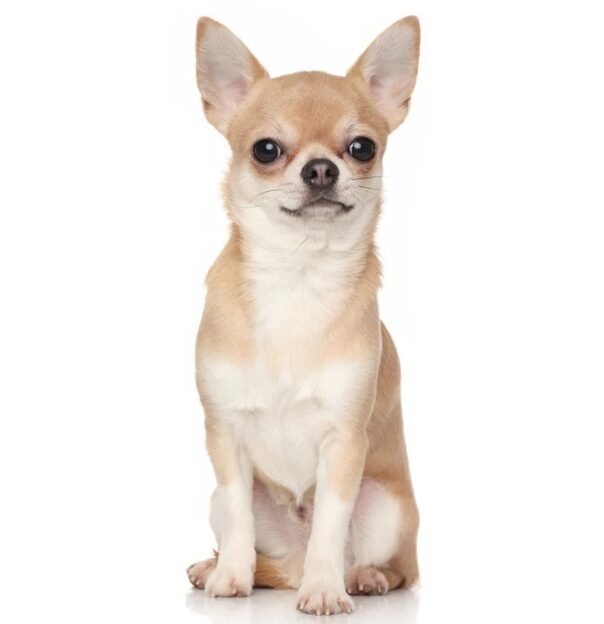
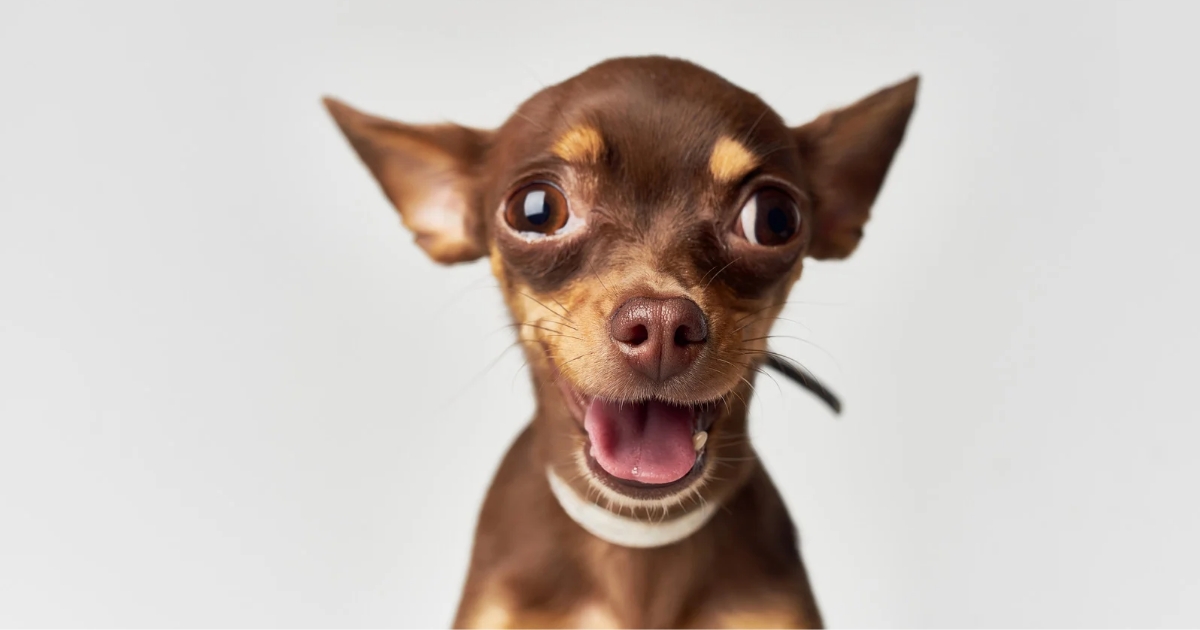
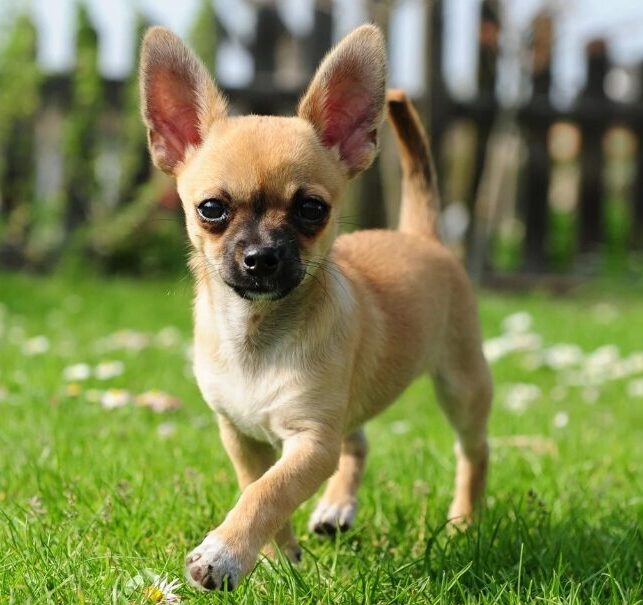
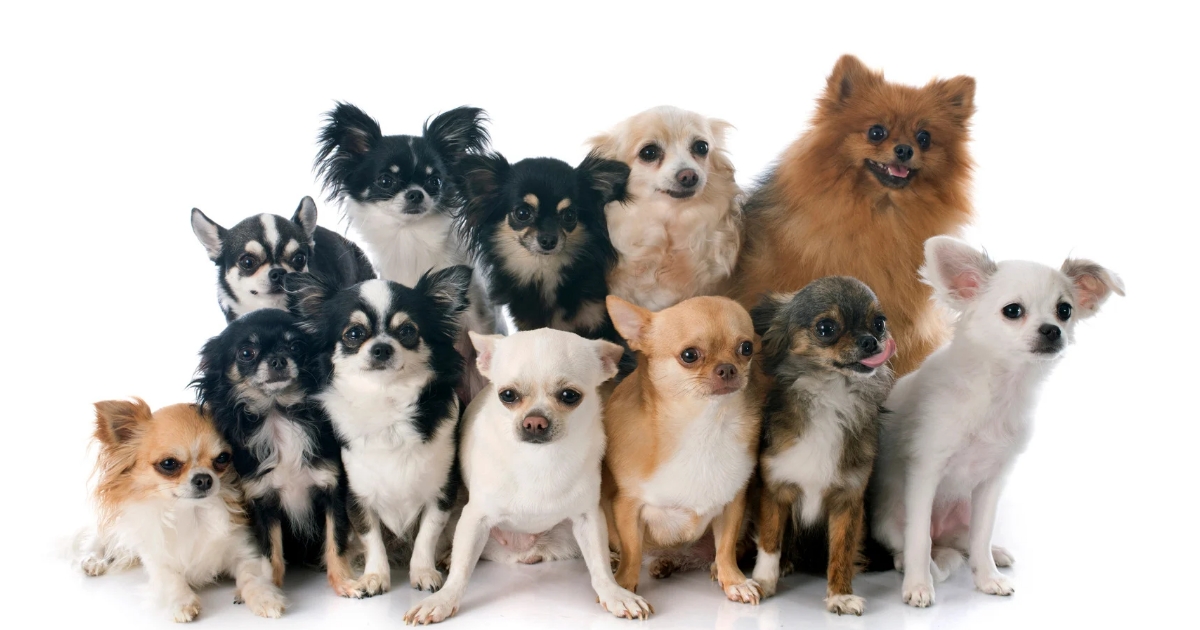
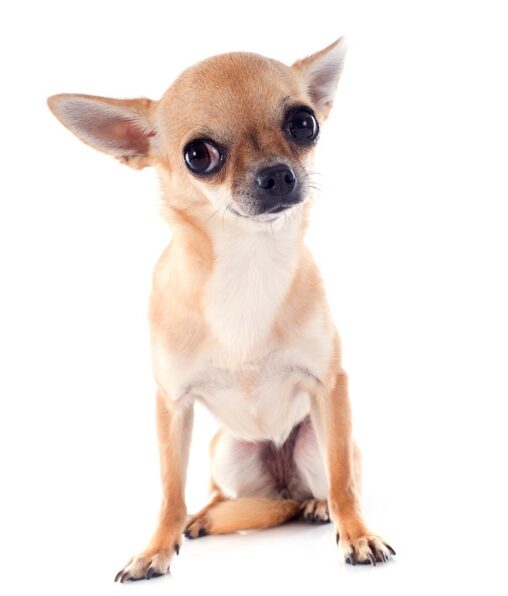
Despite their tiny build, Chihuahuas come in a surprising range of looks. Some have apple-shaped heads, round eyes, and short muzzles. Others have a slightly longer, more deer-like appearance. Their ears are usually large and expressive, giving them the permanent look of a dog who just heard something suspicious happening three rooms away.
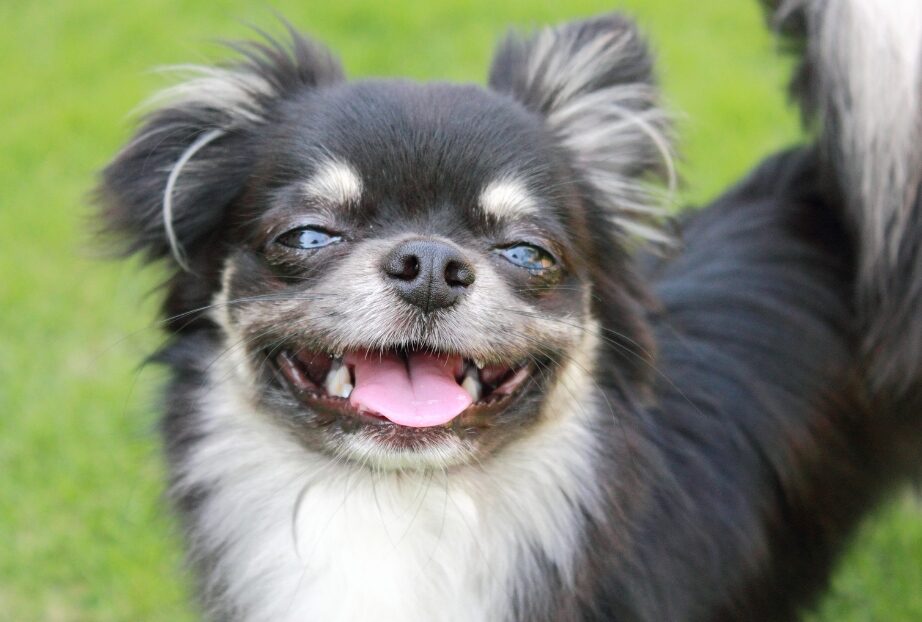
Chihuahuas may have either smooth coats or long coats. Smooth-coated Chihuahuas have short, sleek fur, while long-coated Chihuahuas have softer feathering around the ears, tail, legs, and chest.
Common Chihuahua colors include:
- Fawn
- Black
- White
- Cream
- Chocolate
- Blue or gray
- Tan
- Merle
- Brindle
- Various mixed patterns
Because of their delicate size, Chihuahuas need careful handling. They are not fragile decorations, but they can be injured more easily than larger dogs, especially by falls, rough play, or accidental stepping. In a Chihuahua household, “look before you sit” becomes a lifestyle.
Chihuahua Photo Gallery
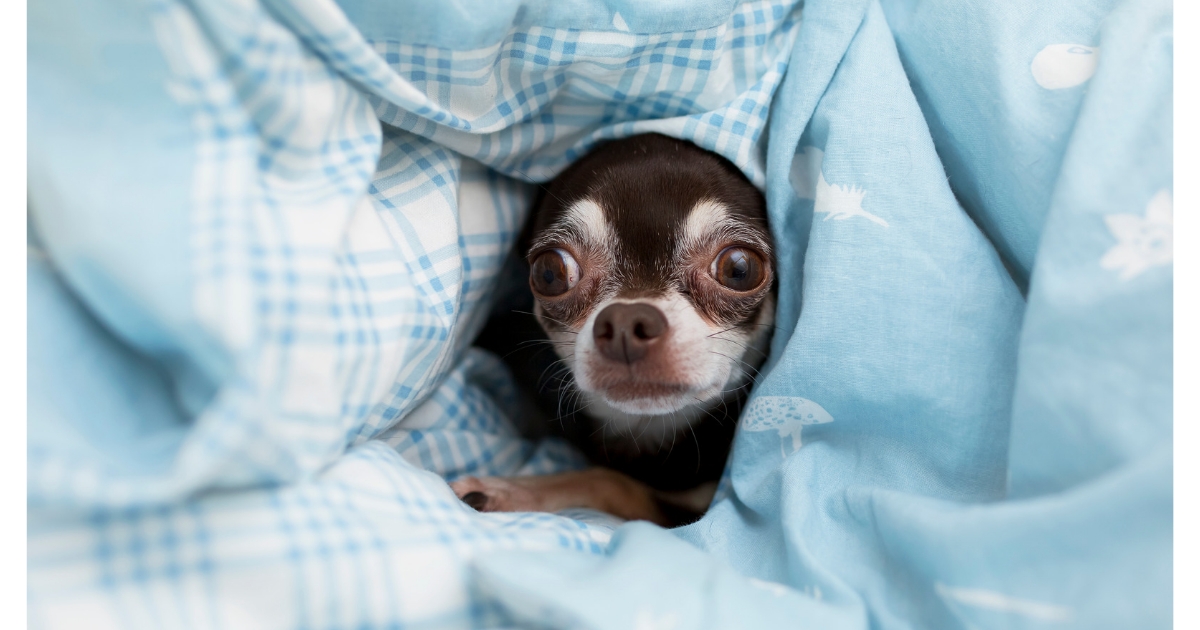
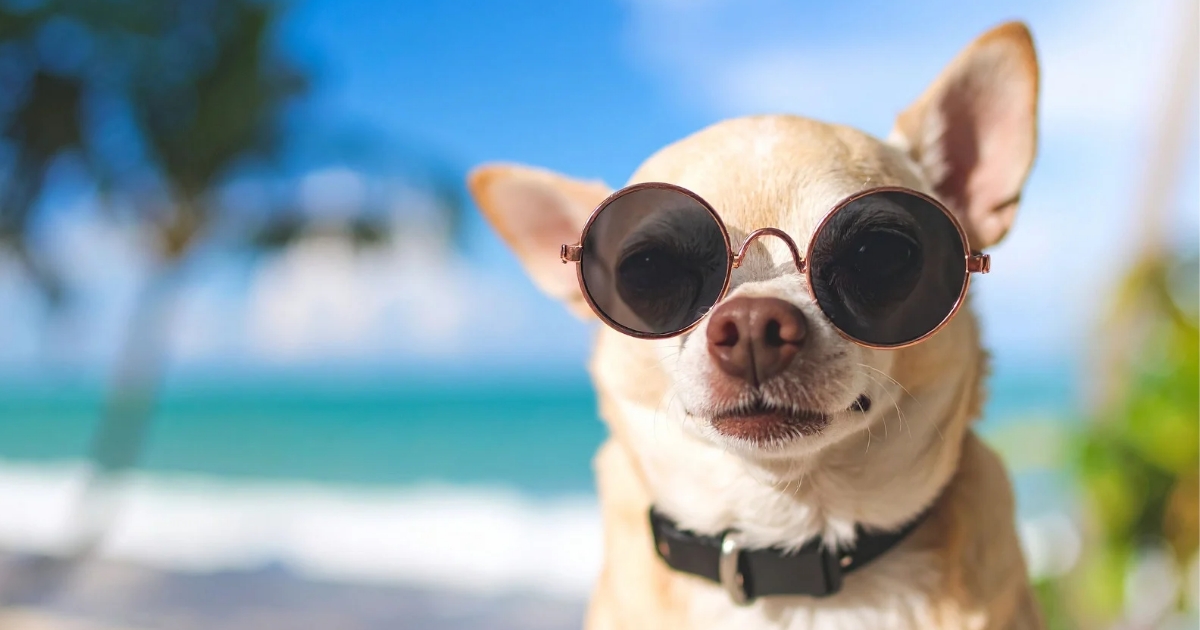
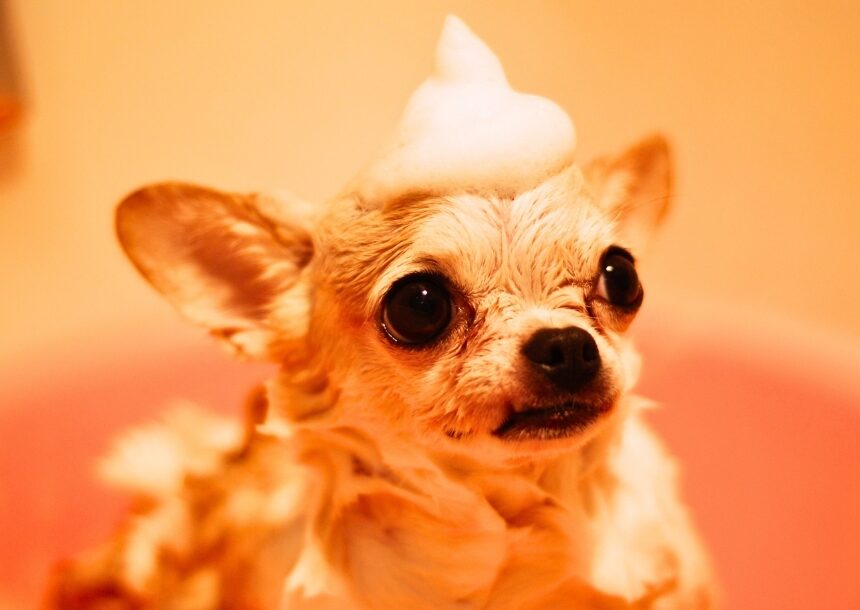
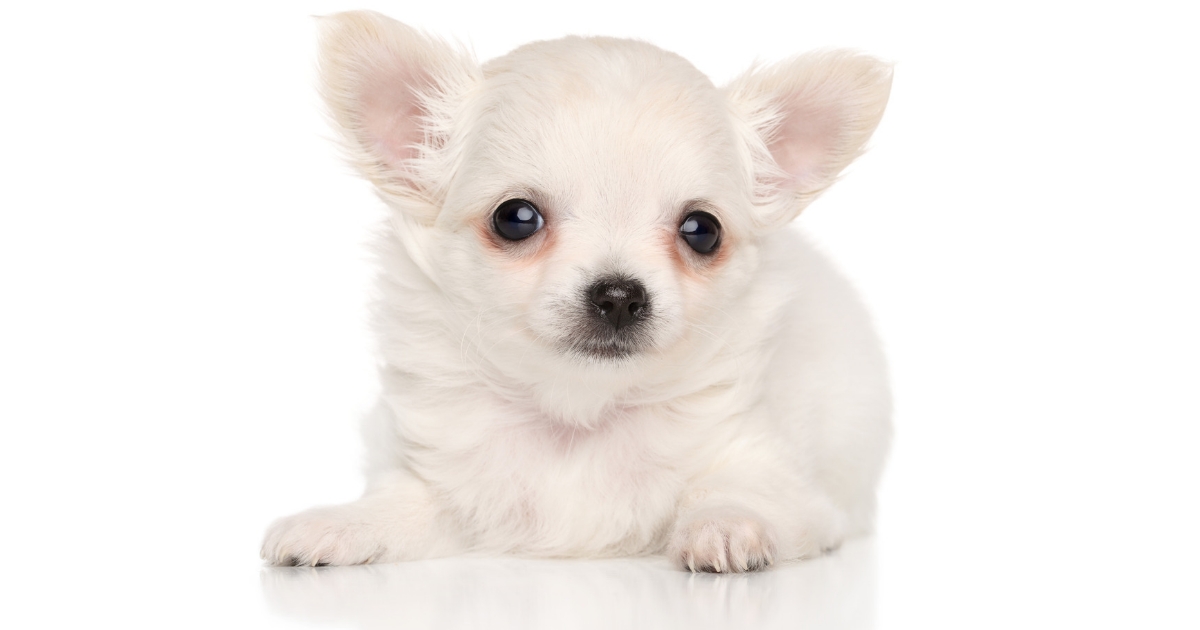
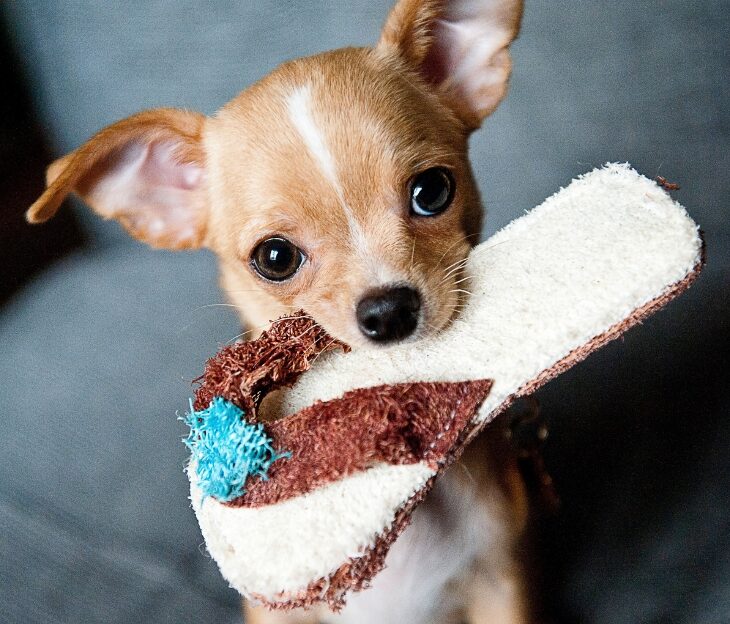
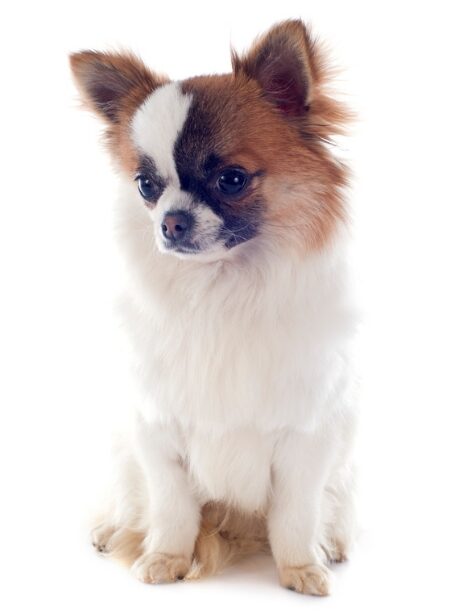
From tiny puppies to regal long-coated companions, Chihuahuas come in a surprising variety of colors, coat types, and expressions. Explore the gallery below to see these tiny dogs showing off their enormous personalities.


Types of Chihuahuas
The two officially recognized Chihuahua coat varieties are smooth coat and long coat. Terms like “teacup Chihuahua,” “deer head Chihuahua,” and “apple head Chihuahua” are commonly used by the public, but not all of them represent separate official breed types.
 Smooth Coat Chihuahua
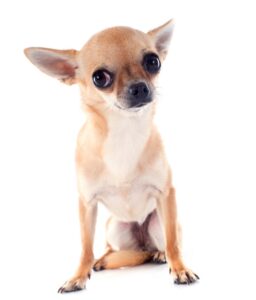
Smooth coat Chihuahuas have short, close-fitting fur that is easy to maintain. They may shed, but grooming is usually simple. A quick brushing, occasional bath, nail trims, and dental care are usually the main routine.
 Long Coat Chihuahua
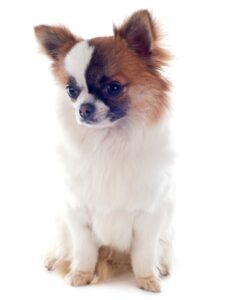
Long coat Chihuahuas have softer, longer fur with feathering around the ears, legs, chest, and tail. Despite the glamorous look, their coats are usually not as high-maintenance as many people expect, though they do need regular brushing to prevent tangles.
Apple Head Chihuahua
Apple head Chihuahuas have a rounded skull and shorter muzzle. This is the head shape most closely associated with the traditional Chihuahua look.
Deer Head Chihuahua
Deer head Chihuahuas tend to have a longer muzzle, longer legs, and a slightly more slender appearance. Many are adored family companions, though this term is more descriptive than formal.
Teacup Chihuahua
“Teacup Chihuahua” is a marketing term rather than an official type. Extra-tiny Chihuahuas may be cute, but extremely small size can come with increased health risks. Responsible buyers should be cautious of breeders who advertise unusually tiny puppies as luxury accessories rather than living animals with serious care needs.
If you are looking at very small dogs in general, visit our small dogs hub for breed comparisons and helpful ownership guides.
Chihuahua Exercise Needs
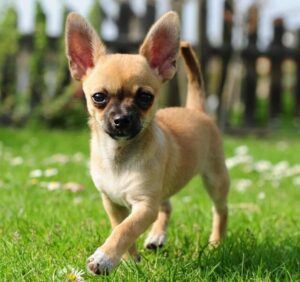 Chihuahuas need regular daily activity, but they do not require intense exercise. Short walks, indoor play, gentle training games, and supervised outdoor time are usually enough to keep most Chihuahuas happy and healthy.
Do not let the tiny legs fool you. A Chihuahua still needs movement, mental stimulation, and opportunities to sniff, explore, and feel like a real dog. A daily walk may look modest compared with a Labrador’s outing, but to a Chihuahua, a stroll around the block can be a full expedition involving weather reports, neighborhood surveillance, and serious leaf analysis.
Good exercise options for Chihuahuas include:
- Short daily walks
- Indoor fetch with soft toys
- Gentle tug games
- Food puzzle toys
- Basic obedience practice
- Supervised yard time
Because they are small and can be sensitive to cold weather, many Chihuahuas need a sweater or coat in chilly climates. They are not being dramatic — well, not entirely. Their small bodies lose heat quickly, and many genuinely do need extra warmth.
A Chihuahua who receives no exercise or stimulation may become barky, anxious, clingy, or overly reactive. Even small dogs need a job. Fortunately, for a Chihuahua, “job” can mean walking ten minutes, learning a trick, and helping you inspect the laundry.
For more help choosing breeds by lifestyle, see our guide to best small dogs for apartments.
Training a Chihuahua
Chihuahuas are intelligent dogs that can learn quickly, but they need patient, positive, consistent training. Their small size should never be an excuse to ignore barking, guarding, snapping, or poor manners.
One of the biggest mistakes people make with Chihuahuas is treating them like tiny accessories instead of capable little dogs. If a German Shepherd growled at guests from someone’s lap, everyone would take it seriously. When a Chihuahua does it, people sometimes laugh — until the behavior becomes a habit.
Chihuahuas respond best to training that is:
- Positive and reward-based
- Gentle but consistent
- Short and fun
- Started early
- Focused on confidence-building
Important skills for Chihuahuas include:
- Coming when called
- Walking politely on leash
- Being comfortable with handling
- Greeting people calmly
- Settling quietly
- Learning that not every sound requires an emergency announcement
House training can sometimes take extra patience with Chihuahuas, especially in cold or wet climates where outdoor potty trips may be deeply unpopular with the tiny management department. Consistency, supervision, rewards, and a predictable routine are essential.
Chihuahuas can also be sensitive. Harsh corrections often backfire, making them more nervous or defensive. Think coach, not drill sergeant. Your Chihuahua does not need intimidation. They need clarity, encouragement, and a reason to believe your idea was their idea all along.
Chihuahua Grooming Needs
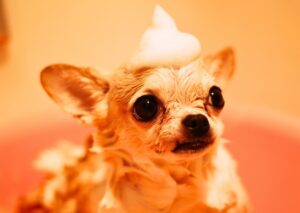 Chihuahuas are generally low-maintenance when it comes to grooming, though their exact needs depend on coat type. Smooth coat Chihuahuas need occasional brushing, while long coat Chihuahuas benefit from more regular brushing to prevent tangles.
Basic Chihuahua grooming includes:
- Brushing once or twice a week
- Bathing as needed
- Regular nail trimming
- Ear checks
- Dental care
- Wiping tear stains if needed
Dental care is especially important for Chihuahuas. Small breeds are prone to dental problems, and tiny mouths can become crowded. Regular tooth brushing, dental chews recommended by your veterinarian, and professional cleanings when needed can make a major difference.
Nails also need attention. Because Chihuahuas are so light, they may not naturally wear their nails down as much as larger dogs. Overgrown nails can affect posture, movement, and comfort.
Long coat Chihuahuas may look fancy, but they usually do not need extreme grooming. A few minutes of brushing can keep them looking polished without turning your home into a full-service salon.
Chihuahua Health Concerns
Chihuahuas are often long-lived dogs, but they can be prone to certain health concerns, including dental disease, luxating patellas, heart problems, tracheal collapse, eye issues, and low blood sugar in very small puppies.
A healthy Chihuahua can live well into the teen years, and some make it close to 20. That is wonderful news, but it also means owners should be prepared for a long-term commitment. A Chihuahua is not a short chapter. A Chihuahua is a tiny, opinionated decade-plus relationship.
Common Chihuahua health concerns may include:
- Dental disease: Very common in small breeds and one of the most important issues to manage.
- Luxating patella: A kneecap issue that can cause skipping, limping, or discomfort.
- Heart disease: Some Chihuahuas may develop heart murmurs or other cardiac concerns.
- Tracheal collapse: A condition that can cause coughing or breathing issues.
- Eye problems: Their prominent eyes may be more vulnerable to irritation or injury.
- Hypoglycemia: Low blood sugar, especially in very tiny puppies.
Preventive care matters. Regular veterinary checkups, dental care, weight management, safe handling, and responsible breeding can all help reduce risks.
Because Chihuahuas are so small, even a little extra weight can make a big difference. One pound on a Chihuahua is not “just a pound.” It can be a significant percentage of the dog’s body weight. Keeping them lean helps protect their joints, heart, and overall comfort.
Feeding and Nutrition
Chihuahuas need a high-quality small-breed dog food that supports their size, age, energy level, and dental health. Because they are tiny, portion control is especially important.
It is surprisingly easy to overfeed a Chihuahua. A treat here, a bite there, a tiny corner of toast, one “just this once” snack from someone at the table — suddenly your six-pound dog is shaped like a burrito with legs.
Good feeding practices include:
- Choosing a food formulated for small breeds
- Measuring meals instead of free-pouring
- Limiting table scraps
- Using tiny training treats
- Monitoring weight and body condition
- Asking your veterinarian about dental-friendly options
Chihuahua puppies, especially very small ones, may need more frequent meals to help prevent low blood sugar. Adult Chihuahuas often do well with two measured meals per day, though individual needs vary.
Fresh water should always be available. And yes, many Chihuahuas will develop strong opinions about bowls, flavors, textures, and whether the food is being served with the respect they feel it deserves.
Are Chihuahuas Good Apartment Dogs?
Yes. Chihuahuas are excellent apartment dogs because of their small size, moderate exercise needs, and ability to live comfortably in compact spaces. However, barking should be managed with training and socialization.
A Chihuahua does not need a big yard to be happy. They need companionship, daily activity, mental stimulation, and a safe environment. For many apartment dwellers, they can be a wonderful fit.
The main apartment challenge is usually noise. Chihuahuas are alert dogs and may bark at hallway sounds, elevators, neighbors, delivery people, mystery thumps, suspicious breezes, and the distant emotional possibility of someone approaching the door.
Apartment success tips include:
- Teaching a quiet cue
- Using white noise near doors or hallways
- Rewarding calm behavior
- Providing enrichment toys
- Socializing carefully and positively
- Avoiding long periods of isolation
For people living in condos, apartments, townhomes, or smaller houses, Chihuahuas can be terrific companions. They are compact, portable, affectionate, and perfectly capable of making a 700-square-foot apartment feel like their personal estate.
Compare more compact companions in our guide to best small dogs for apartments.
Are Chihuahuas Good Family Dogs?
Chihuahuas can be good family dogs in the right home, but they are usually best with older, gentle children who understand how to handle small dogs respectfully.
Because Chihuahuas are tiny, they can be injured by rough handling, accidental drops, or overly enthusiastic play. They may also become defensive if they feel cornered, grabbed, or overwhelmed.
A Chihuahua may do well in a family that:
- Has calm, respectful children
- Supervises dog-child interactions
- Teaches children not to pick up the dog without help
- Provides the dog with a safe retreat
- Does not expect the Chihuahua to tolerate chaos endlessly
Families with toddlers or very young children may need to be especially cautious. This does not mean Chihuahuas and children can never work together. It means the adults must be realistic, attentive, and committed to protecting both the dog and the child.
A well-socialized Chihuahua can be affectionate and playful with family members. But they are not plush toys. They are tiny dogs with big feelings, quick reflexes, and a strong desire not to be accidentally turned into a football.
For more lifestyle-based breed ideas, visit our small dog guides.
Are Chihuahuas Good Dogs for Seniors?
Chihuahuas can be excellent dogs for seniors because they are small, affectionate, portable, and usually do not require intense exercise. Their long lifespan, loyalty, and lap-loving nature make them appealing companions for many older adults.
For the right senior owner, a Chihuahua can provide companionship, routine, affection, and a delightful amount of personality in a very manageable size.
Benefits for seniors may include:
- Small size and easy portability
- Moderate exercise needs
- Strong companionship
- Minimal grooming compared with many breeds
- Suitability for apartments or smaller homes
There are a few cautions. Chihuahuas can be underfoot, so fall risk matters. They may also live a very long time, so future care planning is important. A senior adopting a young Chihuahua should consider who would care for the dog if circumstances changed.
Adult or senior Chihuahuas can be especially wonderful matches for older adults. They are often past the puppy chaos stage but still full of love, opinions, and blanket-burrowing expertise.
Chihuahua Adoption
Chihuahua adoption can be a wonderful way to welcome a loving small dog into your life. Many Chihuahuas and Chihuahua mixes are available through rescues, shelters, and private rehoming situations.
One of the great joys of adopting an adult Chihuahua is that their personality is often already visible. You may know whether they are cuddly, shy, chatty, playful, nervous, confident, or convinced they should personally interview all visitors before entry.
When adopting a Chihuahua, ask about:
- Temperament with strangers
- Comfort with children
- Experience with other dogs or cats
- House training
- Barking habits
- Medical history
- Dental health
- Handling preferences
Chihuahuas may need a little time to settle into a new home. Some bond quickly. Others need patience, routine, and gentle reassurance. Give them time to decompress, learn the household rhythm, and decide which blanket belongs to them. Spoiler: eventually, all blankets may belong to them.
If you are open to small companion dogs beyond purebred Chihuahuas, consider browsing our small dog breeds hub for similar breeds and mixes.
Finding a Reputable Chihuahua Breeder
A reputable Chihuahua breeder prioritizes health, temperament, responsible placement, and lifelong support over producing the smallest or trendiest puppies possible.
Because Chihuahuas are popular and very small, they are sometimes bred irresponsibly for extreme size, unusual colors, or quick sales. Be cautious of anyone marketing puppies like fashion accessories. A Chihuahua is not a purse charm with paws. It is a living companion who may be with you for nearly two decades.
A responsible Chihuahua breeder should:
- Welcome thoughtful questions
- Provide health information about the parents
- Raise puppies in a clean, safe environment
- Focus on temperament as well as appearance
- Avoid exaggerated “teacup” marketing
- Use a contract
- Offer guidance after the puppy goes home
- Care where each puppy is placed
Good breeders do not simply sell to the first person with payment ready. They want the right match. Expect questions about your home, lifestyle, experience, and plans for care.
Eventually, DogPage will feature carefully selected breeder spotlights through our dog breeder hub, highlighting breeders who prioritize healthy, well-socialized puppies and ethical breeding practices.
 Chihuahua FAQ
Are Chihuahuas good pets?
Yes. Chihuahuas can be wonderful pets for owners who want a small, loyal, affectionate companion and are willing to provide training, socialization, and gentle handling.
Do Chihuahuas bark a lot?
Many Chihuahuas are vocal and alert. They may bark at strangers, noises, visitors, or anything they consider suspicious. Training and calm exposure can help reduce excessive barking.
Are Chihuahuas aggressive?
Chihuahuas are not automatically aggressive, but they can become defensive, fearful, or bossy if poorly socialized or allowed to develop guarding behaviors. Proper training and respectful handling are important.
Why do Chihuahuas shake?
Chihuahuas may shake because they are cold, excited, nervous, overstimulated, or dealing with a medical issue. Occasional trembling is common, but frequent or severe shaking should be discussed with a veterinarian.
Are Chihuahuas easy to train?
Chihuahuas are smart and capable of learning, but they need consistency. Their small size often causes owners to overlook training, which can lead to behavior problems.
Are Chihuahuas good with cats?
Many Chihuahuas can live with cats, especially if introduced carefully. Because Chihuahuas are small, some confident cats may actually be bigger than they are, so supervision is important.
Can Chihuahuas be left alone?
Chihuahuas can be left alone for reasonable periods, but many are very people-oriented and may struggle with long hours of isolation. Gradual independence training can help.
Do Chihuahuas need a lot of exercise?
No. Chihuahuas need daily movement and mental stimulation, but their exercise needs are modest compared with larger working or sporting breeds.
Are Chihuahuas good for first-time dog owners?
Chihuahuas can be good for first-time owners who are patient, gentle, and committed to training. They are small, but they still need structure and socialization.
How long do Chihuahuas live?
Chihuahuas are long-lived dogs, often living 14 to 18 years, with some living even longer when well cared for.
Related DogPage Guides
Learning about Chihuahuas? You may also enjoy these related DogPage guides:
Chihuahuas may be tiny, but they are never boring. With the right care, training, and respect for their big little personalities, these spirited companion dogs can bring years of love, laughter, loyalty, and dramatic blanket burrowing to the right home.