

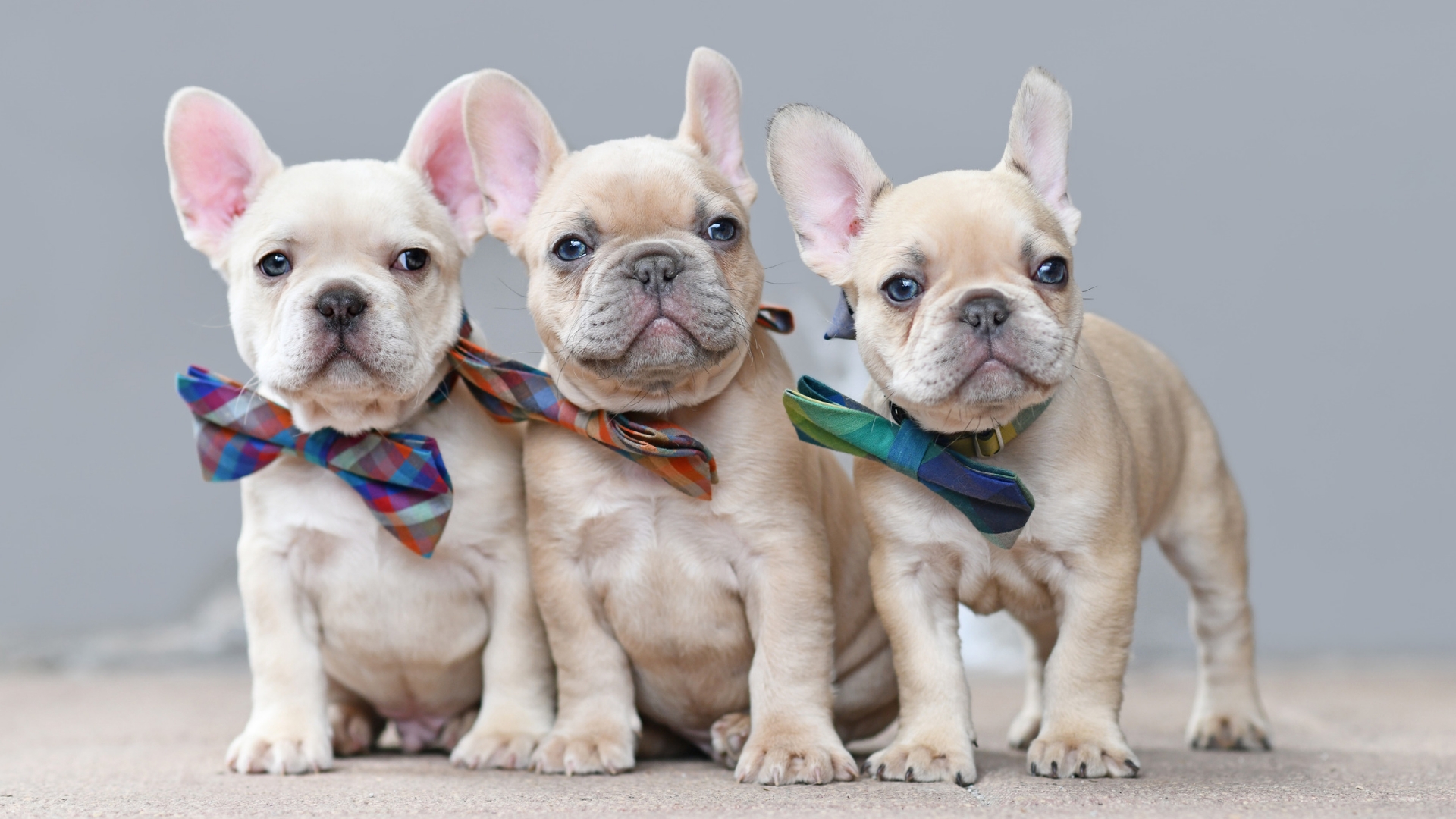
Meet the Frenchie
Small dog. Big personality. Built like a tiny tank with bat ears.
French Bulldogs — affectionately known as Frenchies — are funny, affectionate, sturdy little companion dogs with a talent for turning ordinary household moments into entertainment. They snore, snuffle, wiggle, clown around, follow their people from room to room, and somehow make themselves the emotional center of the home without even trying.
Whether you are considering a French Bulldog puppy, adopting an adult Frenchie, or simply trying to understand the charming little sofa potato already running your household, this guide will help you learn what makes the French Bulldog such a beloved — and sometimes delightfully stubborn — companion.
French Bulldog Quick Breed Snapshot
- Breed Group: Non-Sporting Group
- Height: 11 to 13 inches
- Weight: Usually under 28 pounds
- Life Expectancy: 10 to 12 years
- Energy Level: Moderate
- Shedding: Moderate
- Apartment Friendly: Excellent
- Good for Seniors: Often yes
- Good with Children: Usually yes
- Best For: Loving owners who want a playful, affectionate, people-focused companion dog
About French Bulldogs
French Bulldogs are compact companion dogs known for their bat-like ears, sturdy little bodies, expressive faces, affectionate nature, and wonderfully comic personalities. They are small dogs, but they are not delicate little wisps. A Frenchie is more like a cheerful little bowling ball with feelings.
Originally developed as companion dogs, French Bulldogs became especially popular with city dwellers, artists, families, and people who wanted a charming, people-focused dog in a manageable size. Today, they are one of the most recognizable small dog breeds in the world.
Frenchies are usually happiest when they are close to their people. They are not typically high-endurance athletes, but they are often playful, curious, and deeply attached to family life. Many enjoy short walks, silly games, sofa time, snacks, naps, and being included in absolutely everything.
If you are comparing compact companion breeds, you may also enjoy our guide to small dog breeds and our growing collection of small dog lifestyle guides.
French Bulldog Personality and Temperament
French Bulldogs are affectionate, playful, friendly companion dogs that usually love being close to their people. A good Frenchie is charming, expressive, sociable, and often hilariously dramatic in the most endearing way.
They are not usually intense working dogs. They are companion dogs through and through. Their main life goals often include being near their favorite humans, supervising snacks, finding the softest blanket, and making sure no one goes to the bathroom alone.
A typical French Bulldog may be:
- Affectionate and people-focused
- Playful without being overly athletic
- Funny, expressive, and clownish
- Usually friendly with visitors
- Often good with children
- Stubborn when they have made up their mind
- Very attached to household routines
Frenchies are often described as easygoing, but that does not mean they need no training. They can be stubborn little negotiators. If a Frenchie decides the walk is over, the sofa is theirs, or the treat supply is being mismanaged, they may communicate this with impressive confidence.
The good news is that their affectionate nature usually makes them wonderful companions for people who want a small dog with warmth, humor, and plenty of personality.
French Bulldog Size and Appearance
French Bulldogs are small, muscular dogs with compact bodies, broad chests, short muzzles, large upright ears, and expressive eyes. They usually stand about 11 to 13 inches tall and weigh under 28 pounds.
Their famous bat ears are one of the breed’s most recognizable features. Combined with their round eyes, wrinkled faces, and sturdy little build, Frenchies have a look that is both comical and deeply lovable.
French Bulldogs are heavier and more solid than many people expect. They are small enough for apartments, but they are not featherweight lap dogs. Picking up a Frenchie can feel less like lifting a dainty toy breed and more like hoisting a very affectionate sack of potatoes with opinions.
Their short coats are smooth and easy to maintain, though they do shed. Their facial folds, ears, nails, and skin need regular attention to keep them comfortable and healthy.
French Bulldog Photo Gallery
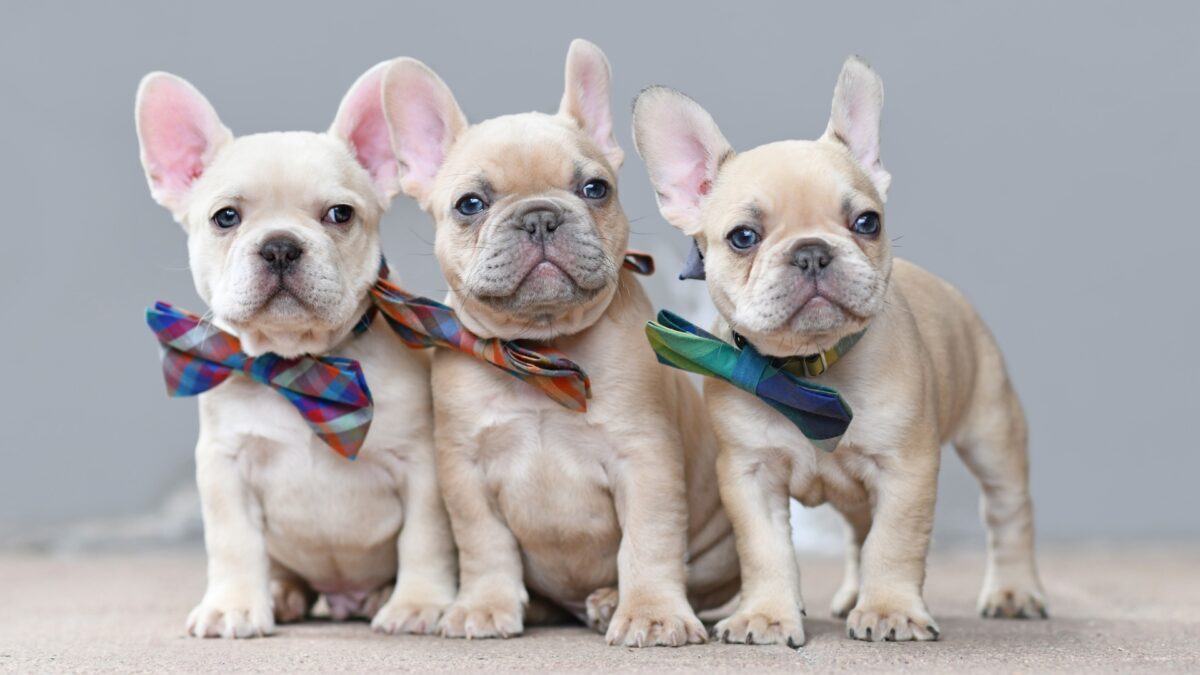
From classic fawn Frenchies to pied, brindle, cream, and other striking coat patterns, French Bulldogs have an unmistakable look. Explore the gallery below to see these charming little companion dogs showing off their sturdy bodies, bat ears, and big personalities.

French Bulldog Colors and Coat Types
French Bulldogs have short, smooth coats that are generally easy to groom. Their coat comes in a variety of colors and patterns, though not every trendy color is accepted by major breed standards or encouraged by responsible breeders.
Common French Bulldog colors and patterns include:
- Brindle: A dark coat with lighter streaking or striping.
- Fawn: A warm tan or golden color, often with a darker mask.
- Cream: A pale, soft coat color.
- White: A mostly white coat, sometimes with markings.
- Pied: A white coat with colored patches.
Some colors, such as blue, merle, lilac, and other rare-color varieties, are heavily marketed online. Buyers should be cautious. Rare color marketing can sometimes place appearance above health, temperament, and responsible breeding.
A good French Bulldog breeder should care far more about breathing ability, structure, health, temperament, and soundness than producing the trendiest color of the moment.
Frenchies may be fashionable, but they are living dogs — not collectible handbags with ears.
French Bulldog Exercise Needs
French Bulldogs need regular exercise, but they do not require intense activity. Most Frenchies are happy with short walks, gentle play, indoor games, and plenty of rest.
A typical French Bulldog may enjoy:
- Short daily walks
- Gentle indoor play
- Food puzzle toys
- Basic training games
- Supervised yard time
- Quality sofa-based companionship
Because French Bulldogs have short muzzles, they can overheat more easily than many other breeds. Hot weather, humidity, strenuous exercise, and overexcitement can be dangerous.
Exercise should be gentle, especially in warm weather. Frenchies should never be pushed to run hard in the heat, and they should always have access to shade, water, and a cool place to rest.
Many French Bulldogs would like you to know that a short stroll, a snack, and a nap is a perfectly respectable fitness routine.
For more compact companion ideas, see our guide to best small dogs for apartments.
Training a French Bulldog
French Bulldogs are smart, but they can also be stubborn. Training works best when it is positive, consistent, upbeat, and worth their time.
A Frenchie is not usually trying to be difficult. They are simply excellent at asking, “What’s in it for me?” If the answer is praise, treats, play, or attention, they are much more likely to cooperate.
French Bulldogs benefit from training that is:
- Positive and reward-based
- Short and fun
- Consistent
- Patient
- Started early
Important skills for French Bulldogs include:
- Coming when called
- Walking politely on leash
- Greeting people calmly
- Settling quietly
- Being comfortable with handling
- Learning not to jump, mouth, or demand attention
House training can take patience. Some Frenchies are quick learners, while others take their sweet time and act as though outdoor potty rules are a matter for further committee review.
The key is consistency. Frenchies do best with routines, rewards, and gentle boundaries. They are funny, affectionate dogs, but they still need manners.
French Bulldog Grooming Needs
French Bulldogs have short coats, but they still need regular grooming and skin care.
Basic Frenchie grooming includes:
- Brushing once or twice a week
- Bathing as needed
- Cleaning facial folds
- Checking ears regularly
- Trimming nails
- Dental care
- Monitoring skin for redness, irritation, or odor
Facial folds are especially important. Moisture and debris can collect in wrinkles, leading to irritation or infection if not kept clean and dry.
French Bulldogs may also be prone to allergies and skin sensitivities, so owners should pay attention to itching, licking, redness, ear issues, or recurring skin problems.
In other words, Frenchies may have a low-maintenance coat, but they are not no-maintenance dogs. The wrinkles are adorable. The wrinkles also have paperwork.
French Bulldog Health Concerns
French Bulldogs are wonderful companion dogs, but health is one of the most important topics for this breed. Because of their short muzzles and compact body structure, Frenchies can be prone to several health concerns that responsible owners and breeders must take seriously.
Common French Bulldog health concerns may include:
- Brachycephalic Airway Syndrome: Breathing difficulty related to short-muzzled anatomy.
- Heat sensitivity: Frenchies can overheat quickly, especially in warm or humid weather.
- Skin fold dermatitis: Irritation or infection in facial wrinkles or skin folds.
- Allergies: Skin and food sensitivities are common in some French Bulldogs.
- Spinal problems: Some Frenchies may be prone to back or spine issues.
- Eye problems: Their prominent eyes may be vulnerable to irritation or injury.
- Obesity: Extra weight can worsen breathing, joint, and mobility problems.
French Bulldogs should be kept lean, protected from heat, monitored during exercise, and seen regularly by a veterinarian. Owners should also understand the signs of breathing distress and avoid treating snoring, gagging, or struggling to breathe as “just normal Frenchie things.”
A well-bred, well-cared-for Frenchie can be a joyful companion. But this is a breed where responsible breeding and informed ownership matter enormously.
If you are considering a French Bulldog puppy, choose a breeder who prioritizes health, breathing ability, structure, temperament, and honest education — not just cute photos and trendy colors.
Feeding and Nutrition
French Bulldogs need a high-quality diet that supports healthy weight, digestion, skin, coat, and overall wellbeing. Because they are compact and muscular, portion control is important.
A Frenchie does not need much extra weight before it starts affecting breathing, movement, and comfort. One too many table snacks can quickly turn a sturdy little dog into a loaf with legs.
Good feeding practices include:
- Choosing a high-quality food appropriate for age and activity level
- Measuring meals
- Limiting table scraps
- Watching for allergy or sensitivity signs
- Using small training treats
- Keeping your Frenchie at a healthy body condition
Some French Bulldogs have sensitive stomachs or food allergies, so owners may need guidance from a veterinarian when choosing food.
Fresh water should always be available. And yes, many Frenchies will act as though every human meal is a shared cultural event. This does not mean they need cheese.
Are French Bulldogs Good Apartment Dogs?
Yes. French Bulldogs are excellent apartment dogs for many households because they are small, affectionate, moderately active, and usually not as high-energy as many other breeds.
Frenchies often do well in apartments, condos, townhomes, and smaller houses as long as they receive daily attention, gentle exercise, training, and companionship.
Apartment benefits include:
- Small, compact size
- Moderate exercise needs
- Generally people-focused temperament
- Usually happy with indoor relaxation
- Often less intense than many working breeds
The main considerations are noise, heat, stairs, and alone time. Some Frenchies bark, though many are not constant barkers. They should also be kept cool in warm apartments, especially during summer.
A French Bulldog can turn even a small apartment into a kingdom of naps, snorts, toys, and deeply supervised snack preparation.
Compare more compact companions in our guide to best small dogs for apartments.
Are French Bulldogs Good Family Dogs?
French Bulldogs are often excellent family dogs. They are affectionate, sturdy, playful, and usually enjoy being included in household life.
Many Frenchies do well with respectful children because they are more solidly built than some tiny toy breeds. However, children should still be taught to treat them kindly and avoid rough handling.
A French Bulldog may do well in a family that:
- Wants an affectionate indoor companion
- Can supervise young children
- Understands heat and breathing precautions
- Has time for training and attention
- Does not expect intense athletic performance
French Bulldogs often enjoy being part of the action. They may not want to run a marathon with the family, but they are usually very interested in movie night, backyard lounging, car rides, and being admired by visitors.
For more family-friendly small breed ideas, visit our best small dogs for families guide.
Are French Bulldogs Good Dogs for Seniors?
French Bulldogs can be good dogs for seniors who want a loving, sturdy, affectionate companion with moderate exercise needs.
They are small enough for many homes and do not usually require intense activity. Their people-focused nature can make them wonderful companions for older adults who spend a lot of time at home.
Benefits for seniors may include:
- Affectionate companionship
- Moderate exercise needs
- Small but sturdy size
- Short coat
- Adaptability to apartments or smaller homes
However, there are important cautions. French Bulldogs can be expensive to purchase and may require costly veterinary care. They are also dense little dogs, so lifting may be difficult for some people.
An adult Frenchie may be a better match for some seniors than a puppy, especially if the dog’s temperament and health needs are already known.
For more ideas, see our guide to best small dogs for seniors.
French Bulldog Adoption
French Bulldog adoption can be a wonderful option for people who love the breed and are open to welcoming an adult dog or rescue dog into their home.
Because Frenchies are popular and can have specialized health needs, it is important to ask thoughtful questions before adopting.
When adopting a French Bulldog, ask about:
- Breathing history
- Heat tolerance
- Skin or allergy issues
- Spinal or mobility concerns
- Temperament with children
- Experience with other dogs or cats
- House training
- Veterinary history
Adult Frenchies can be delightful companions. Many are past the puppy chaos stage and ready to settle into a loving home where they can nap, snuggle, play gently, and become the household’s official morale officer.
If you are open to similar compact companion breeds, visit our small dog breeds hub.
Finding a Reputable French Bulldog Breeder
Finding a reputable French Bulldog breeder is extremely important because health, structure, breathing ability, and temperament matter so much in this breed.
French Bulldogs are popular, and popularity can attract careless breeders who focus on trends, rare colors, and quick sales rather than health and soundness.
A responsible French Bulldog breeder should:
- Prioritize health, temperament, and structure
- Be honest about breed health concerns
- Avoid exaggerated claims about rare colors
- Provide veterinary and health information
- Raise puppies in a clean, safe environment
- Ask thoughtful questions about buyers
- Use a clear contract
- Offer support after the puppy goes home
Be cautious of breeders who advertise puppies mainly by color, price, or urgency. A French Bulldog puppy should never be marketed like a limited-edition designer item.
A good breeder wants the right home, not just a fast sale.
Eventually, DogPage will feature carefully selected breeder spotlights through our small dog breeder hub, highlighting breeders who prioritize healthy, well-socialized puppies and ethical breeding practices.
French Bulldog FAQ
Are French Bulldogs good pets?
Yes. French Bulldogs can be wonderful pets for people who want an affectionate, funny, people-focused companion dog and understand the breed’s health and heat-sensitivity needs.
Why are French Bulldogs called Frenchies?
“Frenchie” is a common nickname for the French Bulldog. Many owners use it affectionately because it suits the breed’s playful, charming personality.
Do French Bulldogs bark a lot?
Some French Bulldogs bark, but many are not constant barkers. They may alert to visitors, noises, or excitement, but they are often quieter than many small watchdog breeds.
Are French Bulldogs good apartment dogs?
Yes. French Bulldogs are often excellent apartment dogs because they are compact, affectionate, and moderately active.
Do French Bulldogs shed?
Yes. French Bulldogs have short coats, but they do shed. Regular brushing can help manage loose hair.
Can French Bulldogs swim?
Most French Bulldogs are poor swimmers because of their heavy bodies, short legs, and facial structure. They should always be closely supervised around water and may need a life jacket near pools, lakes, or boats.
Why do French Bulldogs snore?
French Bulldogs often snore because they are a short-muzzled breed. However, loud or labored breathing should not automatically be dismissed as normal and should be discussed with a veterinarian.
Are French Bulldogs good with children?
Many French Bulldogs are good with respectful children. They are sturdy, affectionate, and playful, but all dog-child interactions should be supervised.
Can French Bulldogs be left alone?
French Bulldogs can be left alone for reasonable periods, but many are very people-oriented and may become unhappy if left alone for long hours every day.
Are French Bulldogs healthy dogs?
French Bulldogs can be loving, joyful companions, but they are prone to certain health issues, especially breathing, heat, skin, allergy, and spinal concerns. Responsible breeding and informed ownership are very important.
Related DogPage Guides
Learning about French Bulldogs? You may also enjoy these related DogPage guides:
French Bulldogs may be small, but they are unforgettable. With the right care, thoughtful breeding, sensible exercise, and respect for their unique health needs, these funny little companions can bring years of affection, laughter, snorts, snores, and loyal friendship to the right home.